Sun 11:00–16:00
Mon closed
01422 887426


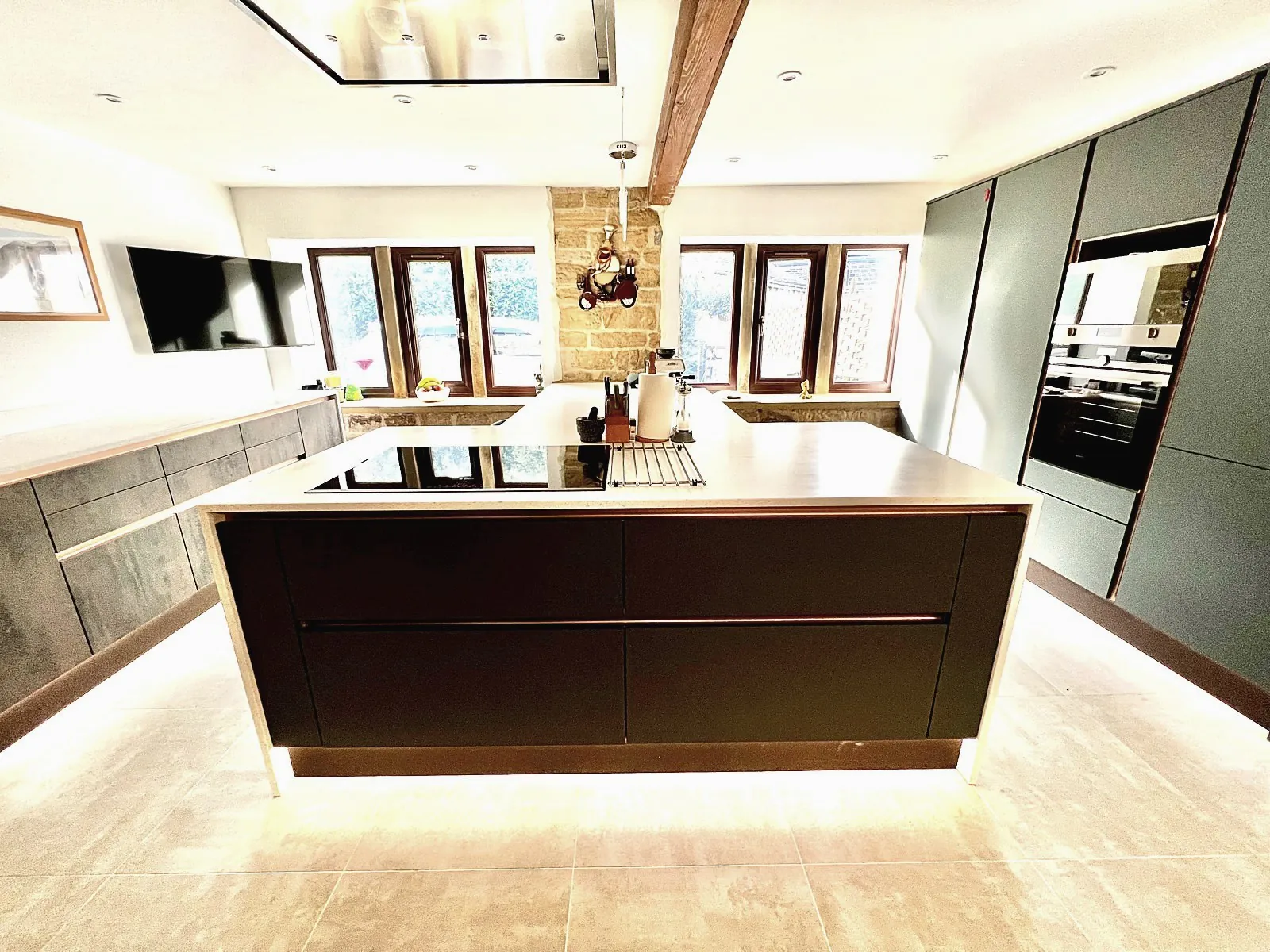
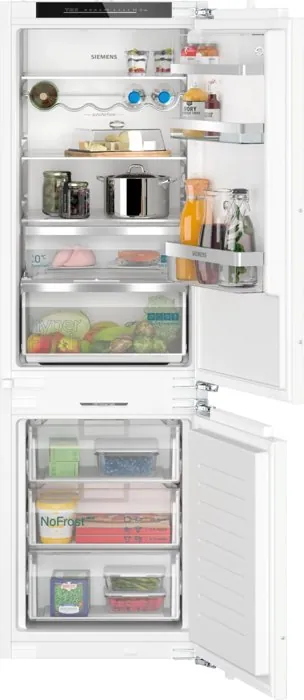
Fridges and freezers: what's new
Facts in this section are from Liebherr UK, the fridge and freezer specialists.
✨ What's new
No need for an American fridge freezer
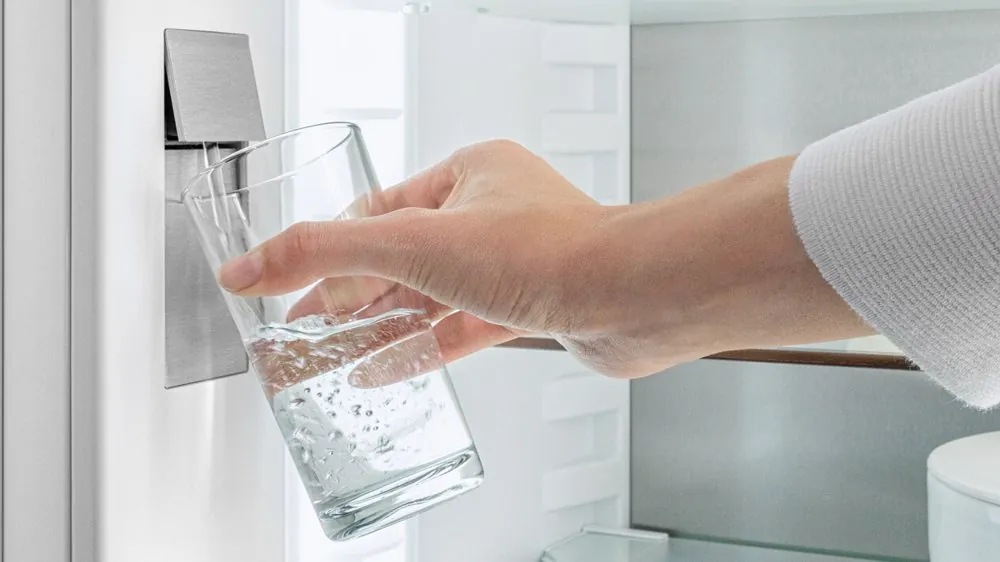
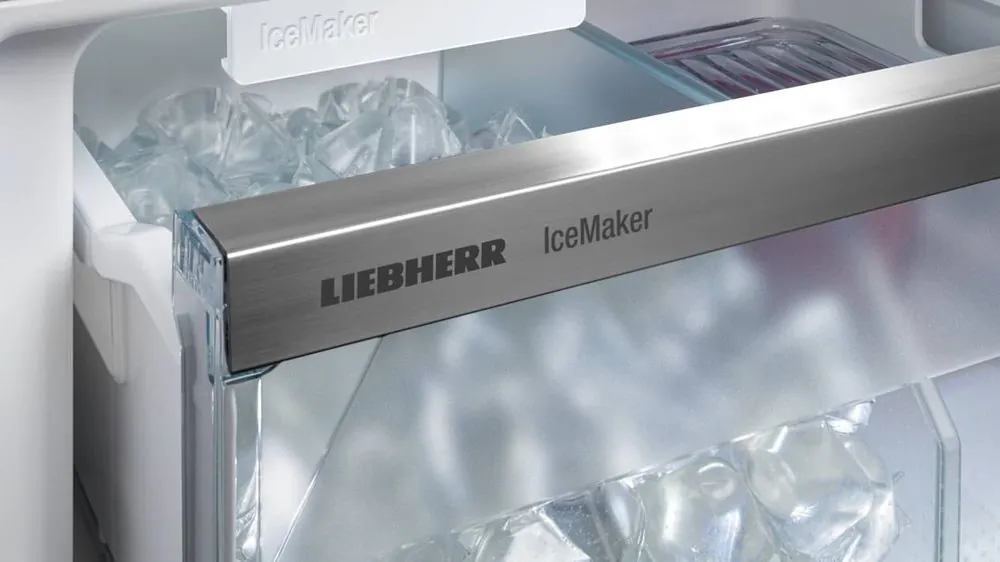
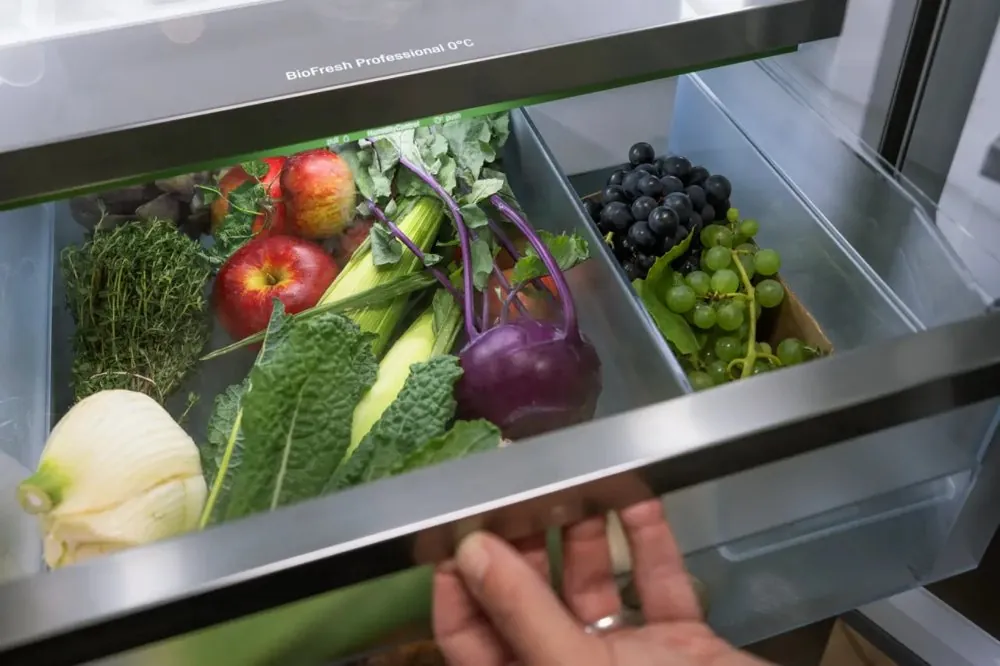
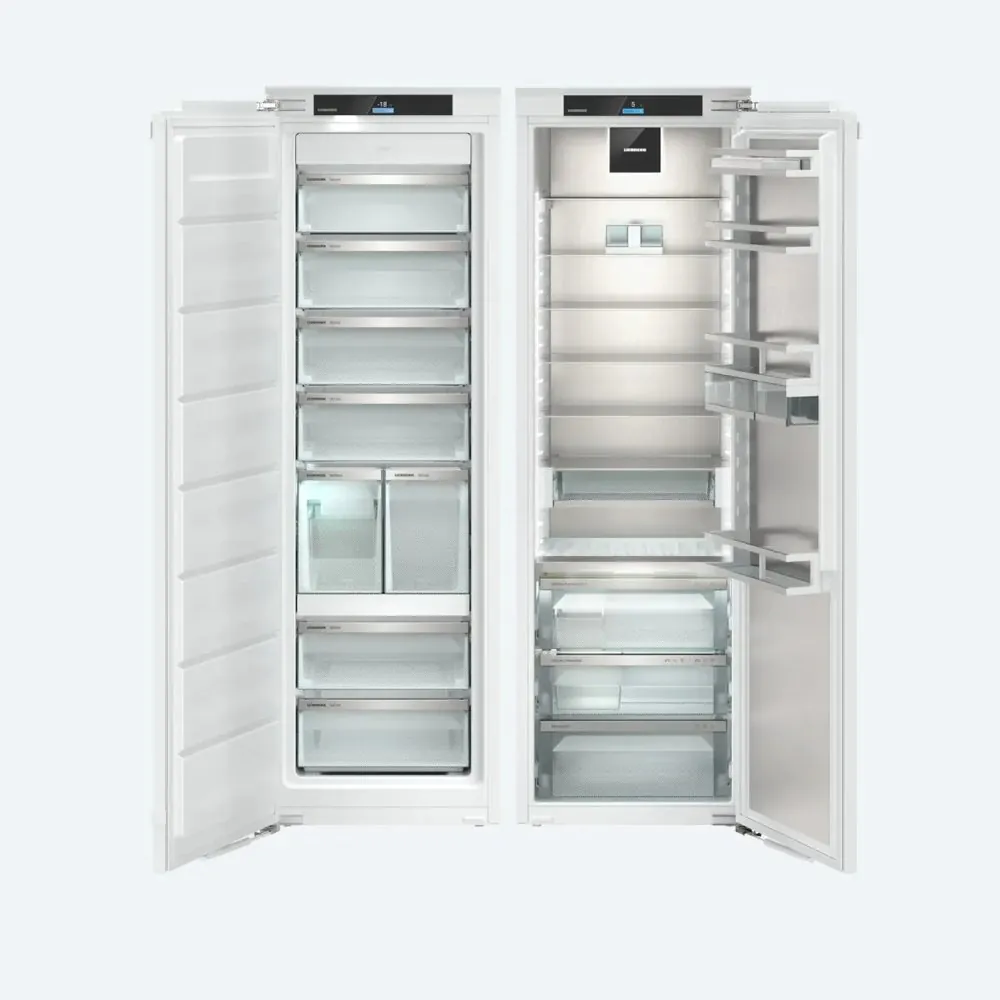
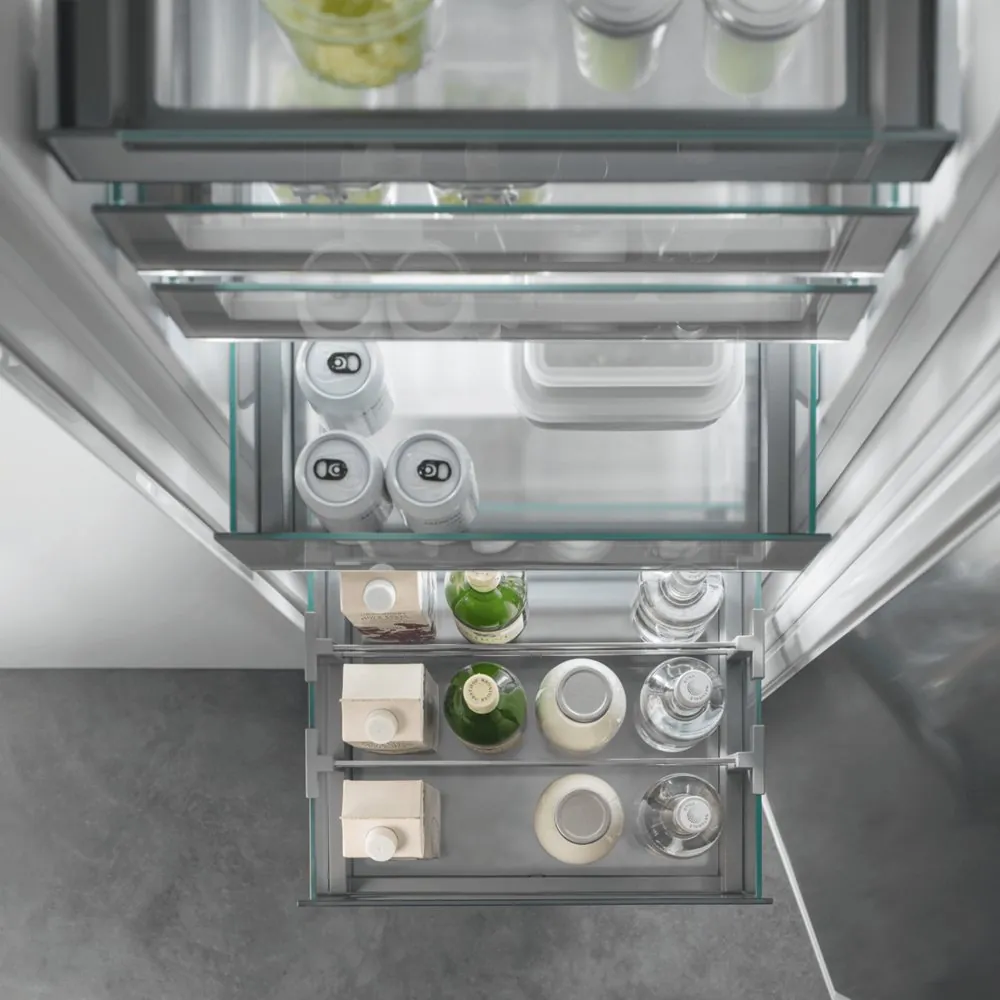
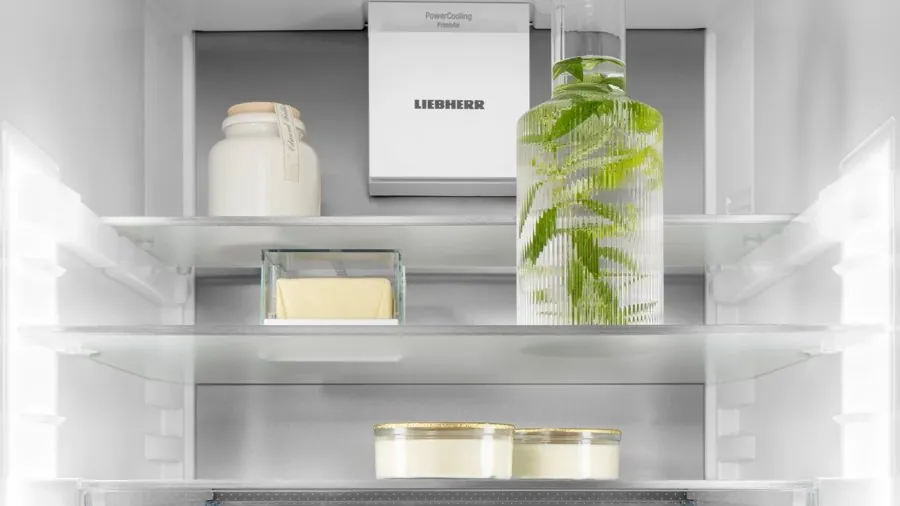
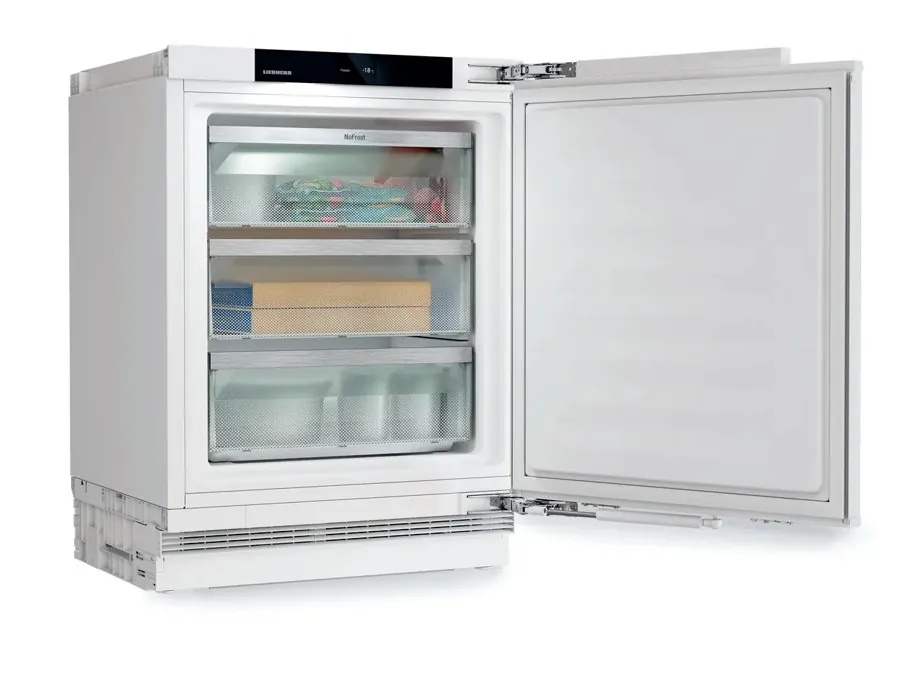
You can still have chilled water and ice, now inside integrated fridges and freezers that hide behind your kitchen doors.
✔ Still worth insisting on

▶ See it in action



💷 Running costs and choices
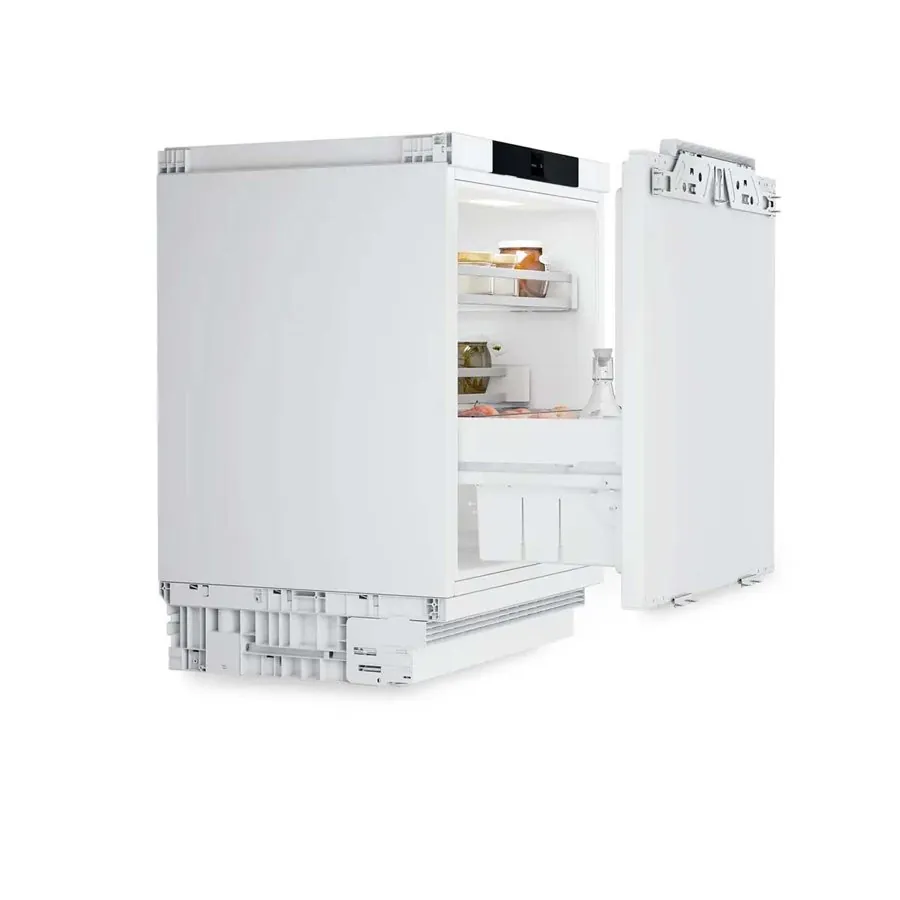
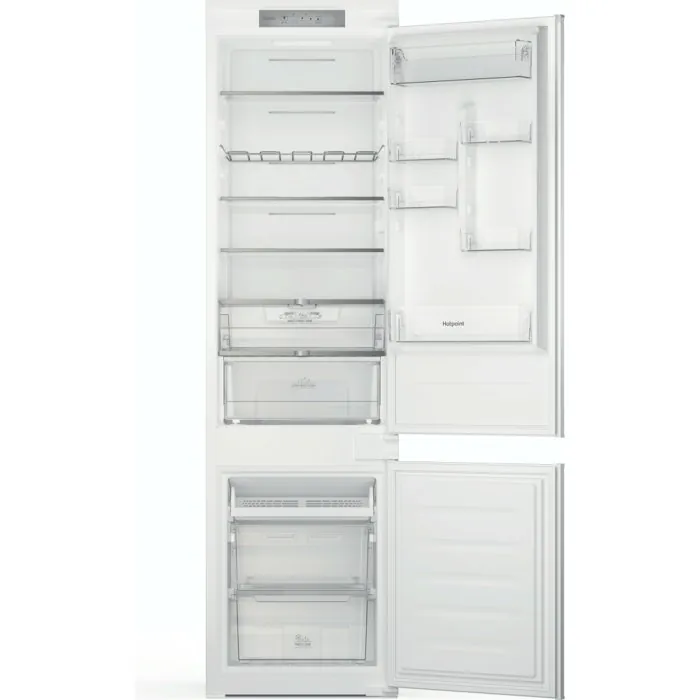
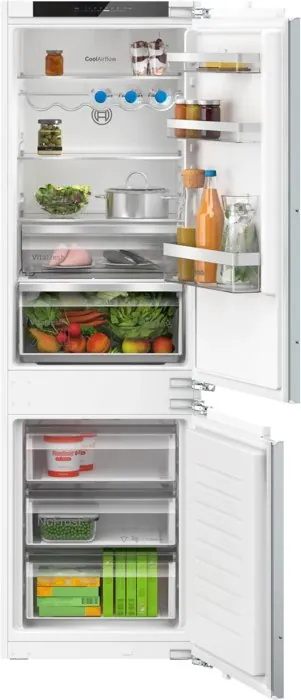
- Both about 250 litres, the size that fits most 50/50 housings, at 26.32p per kWh
- Most integrated 50/50s are E-rated: a Siemens KI85NNFE0G (249 l, 239 kWh) costs £62.90 a year, so A saves about £35 a year against that
- A fridge freezer runs 24 hours a day for 10 years or more, so the saving adds up

Wine coolers: not just for wine
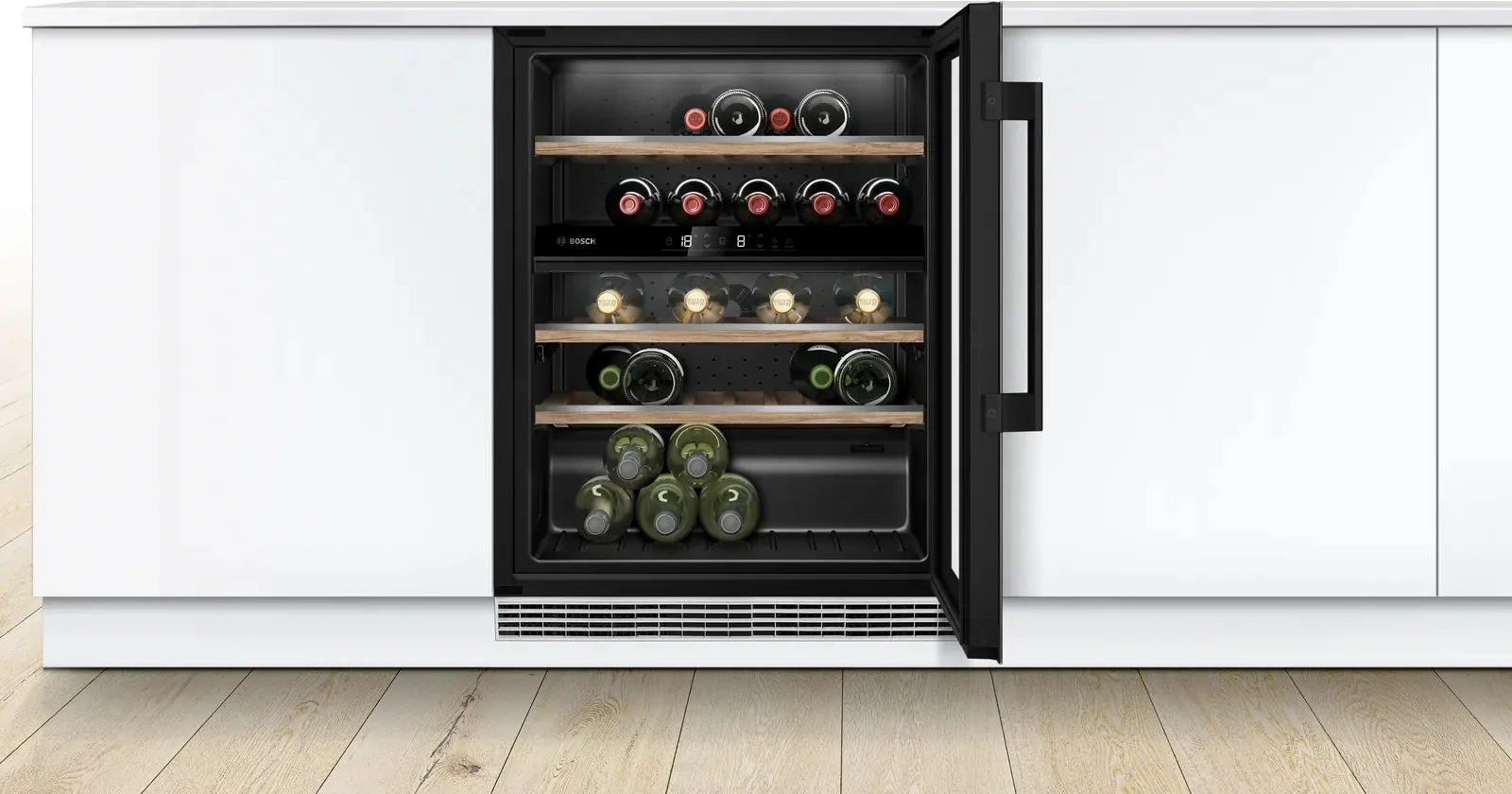
- Under-counter single zone: one temperature, e.g. Bosch 21 bottles
- Under-counter dual zone: reds and whites at different temperatures, e.g. Bosch 44 bottles
- Full-height: around 83 bottles in two zones (Liebherr)
- Some Caple coolers convert into a can chiller with optional glass shelves; Liebherr makes a built-under "drinks fridge" for bottles and cans



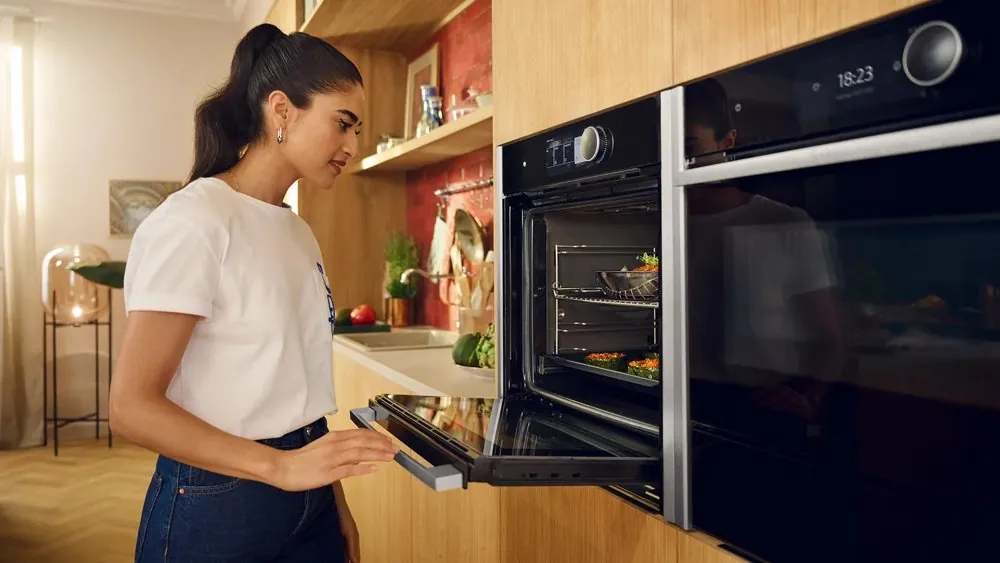
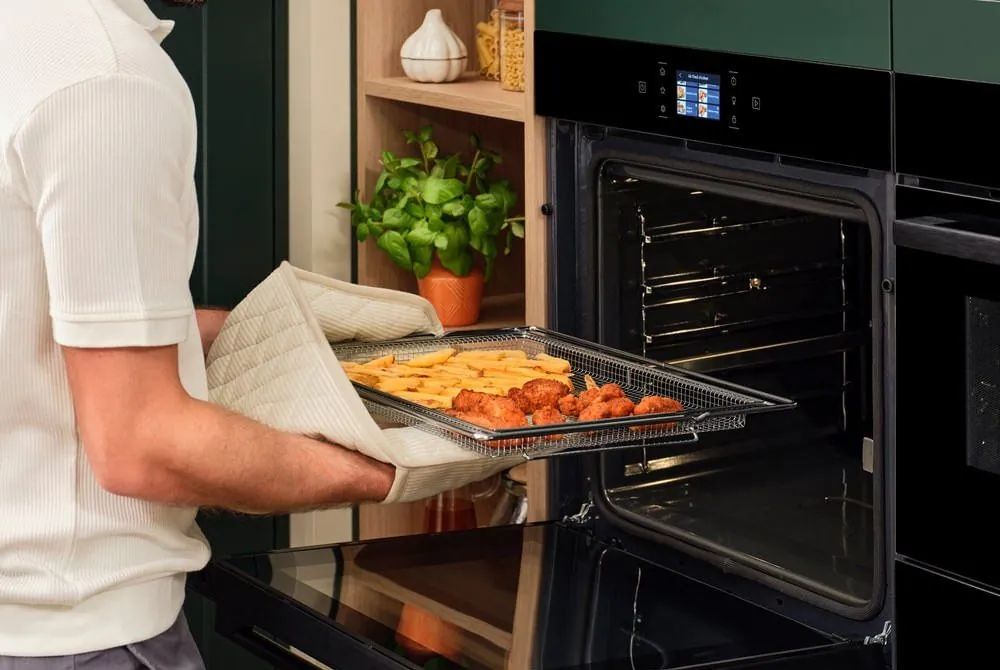
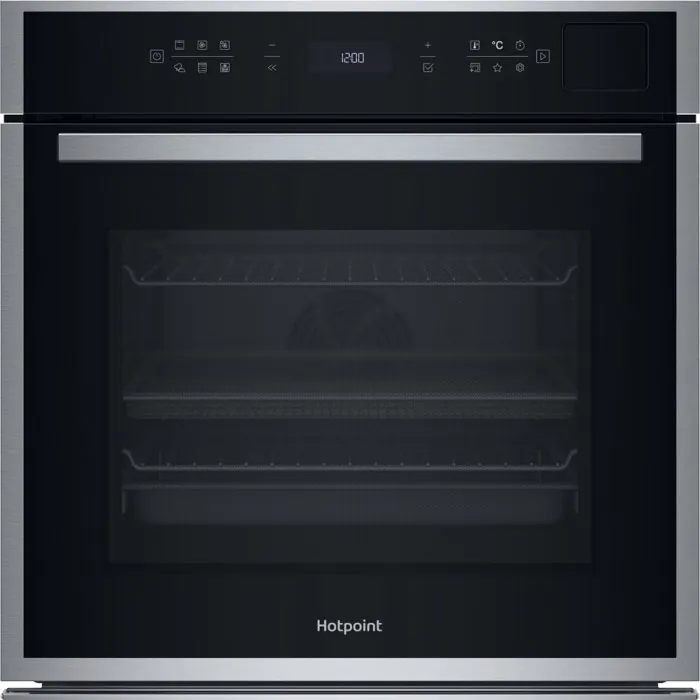
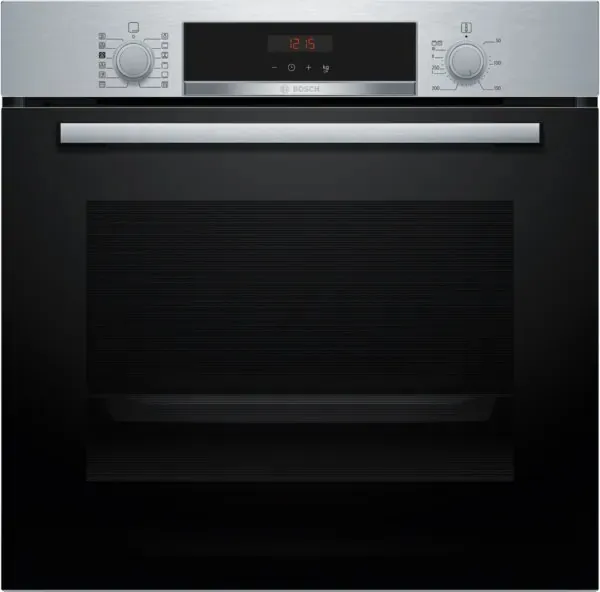
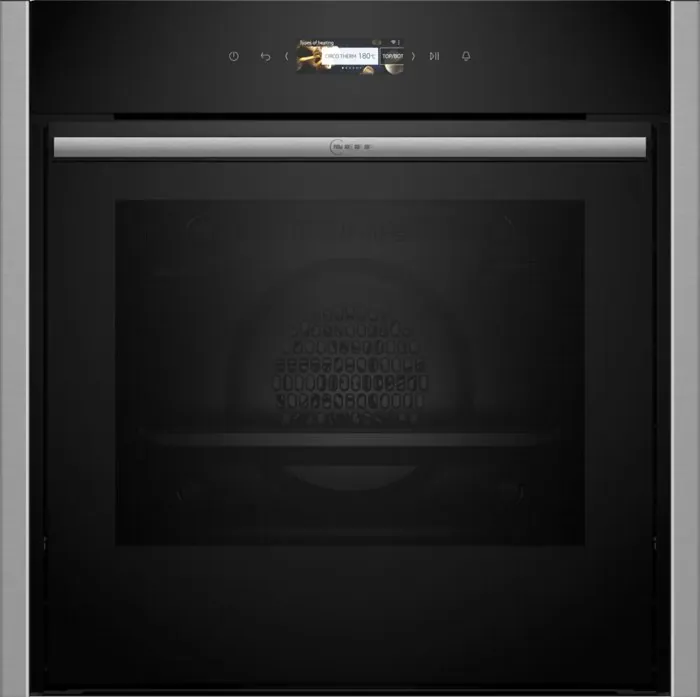
Ovens: what's new
✨ What's new
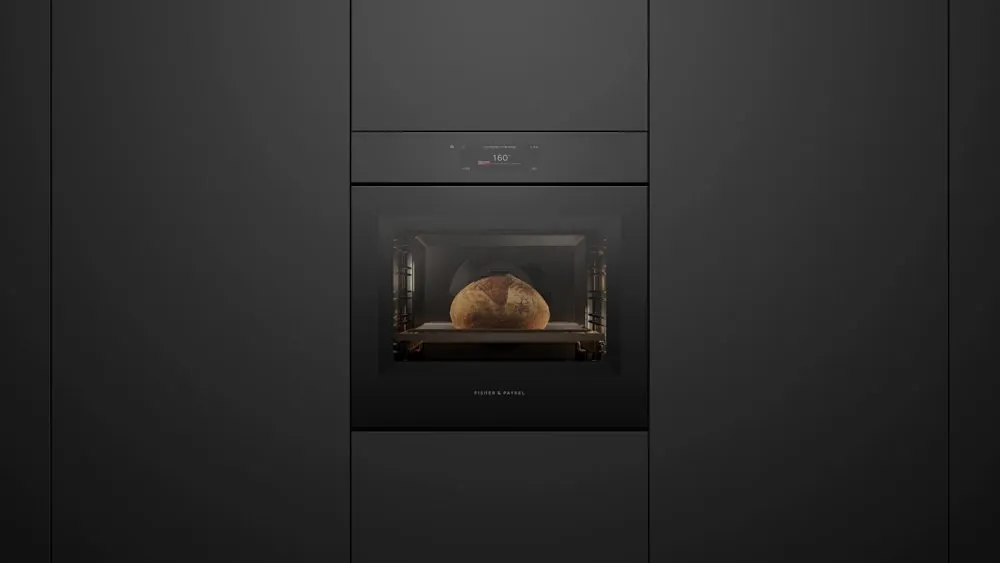
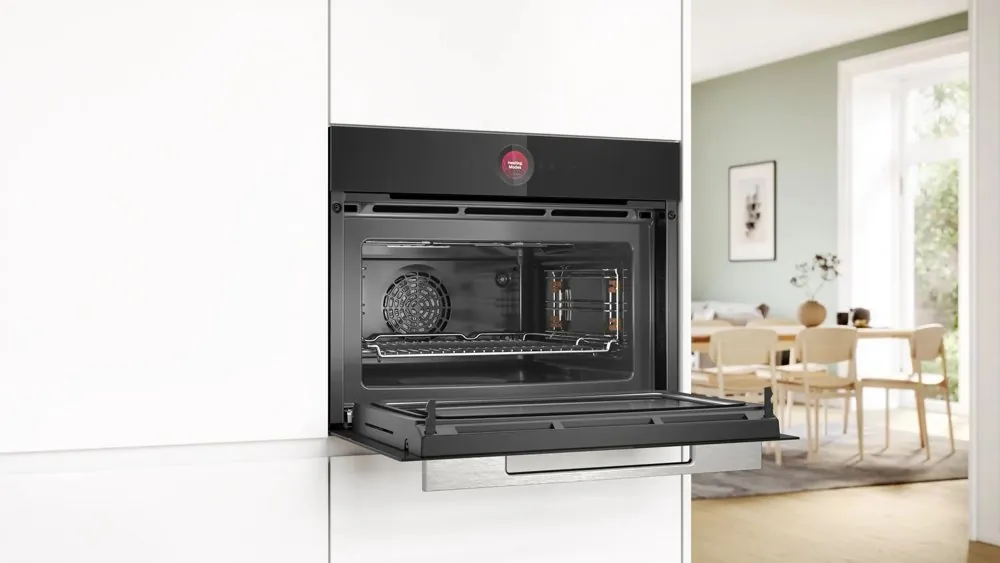
✔ Still worth insisting on

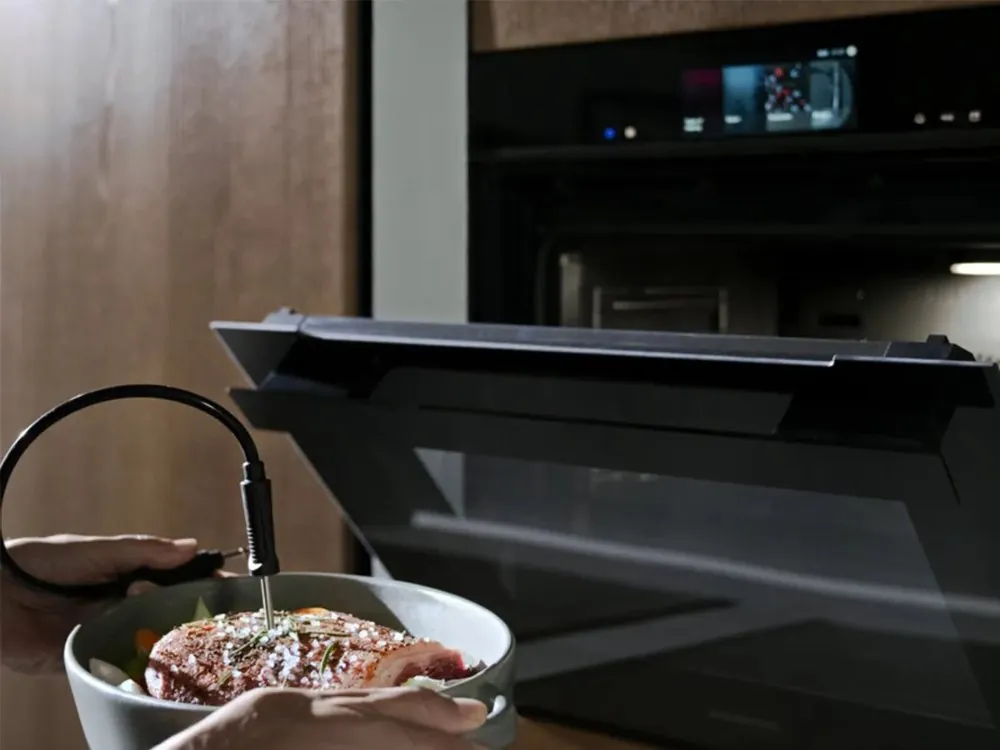
▶ See it in action
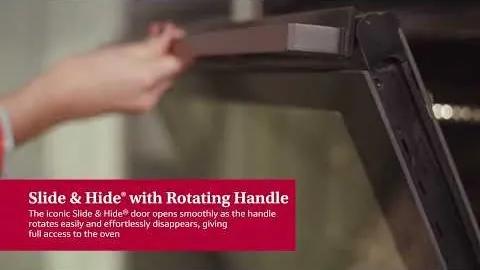


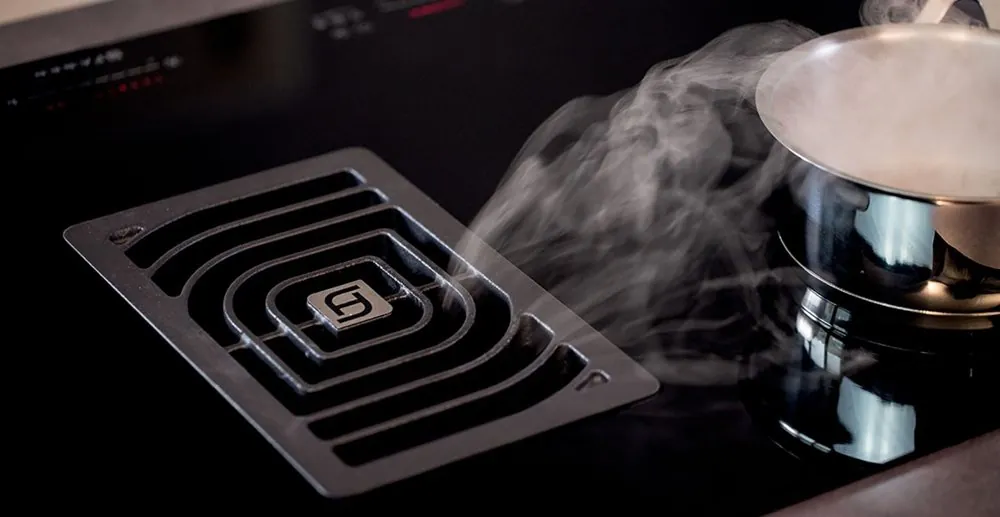
Hobs and extraction: what's new
✨ What's new
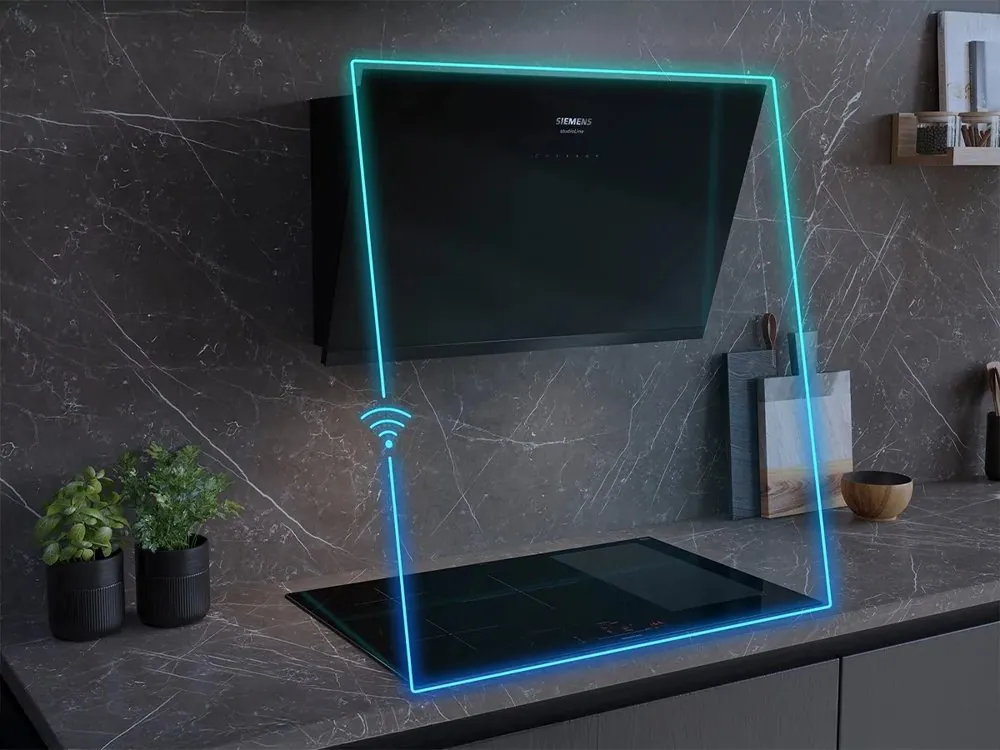
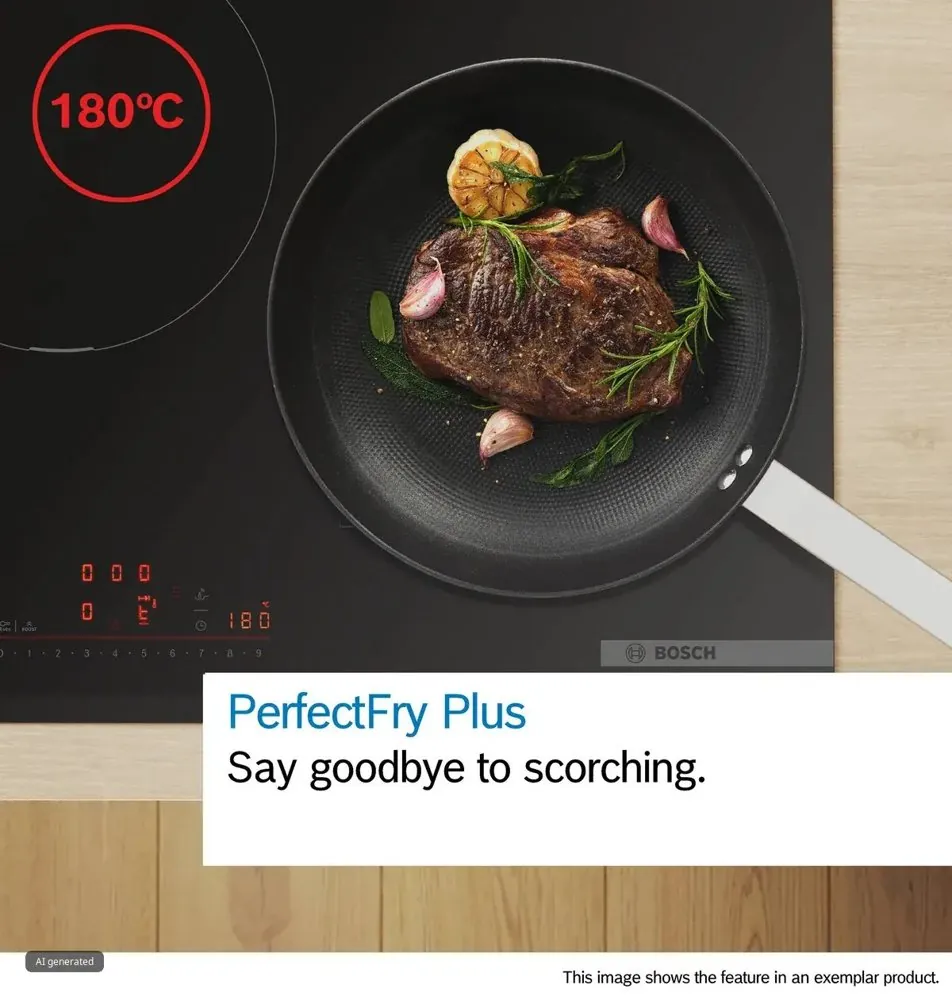
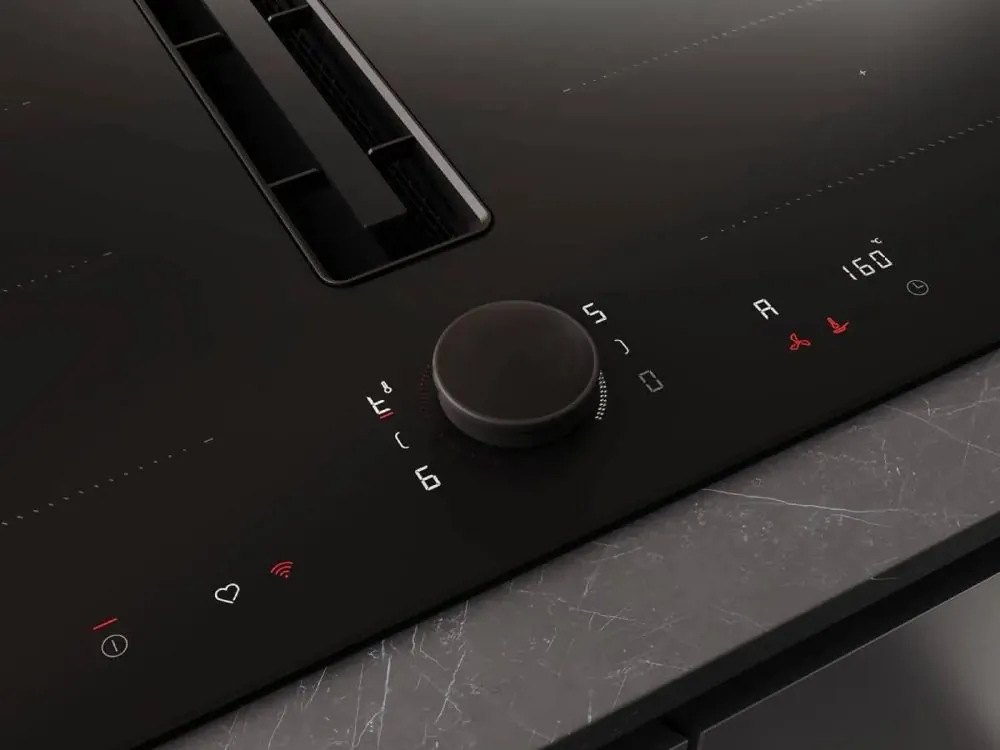
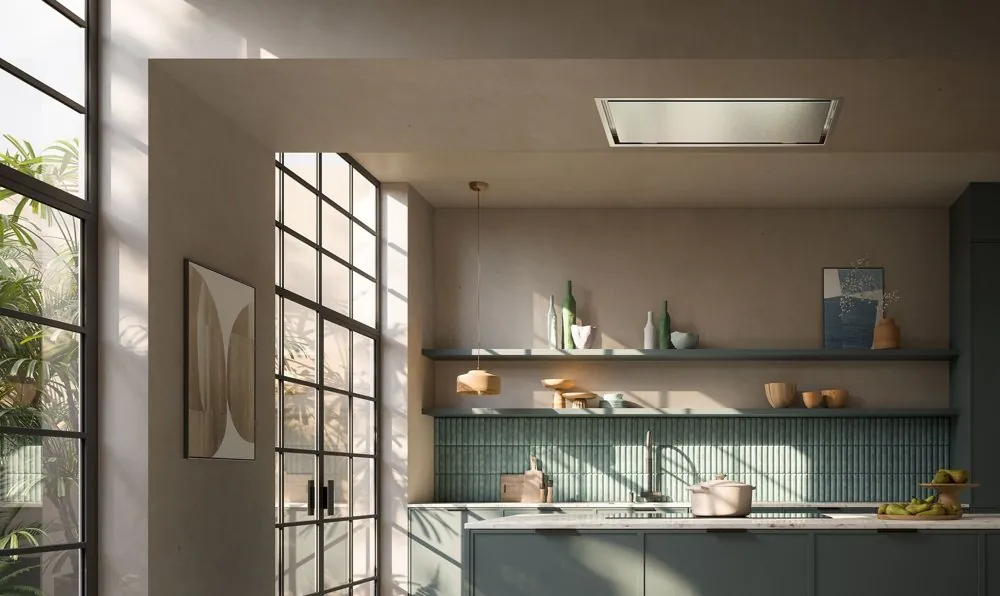
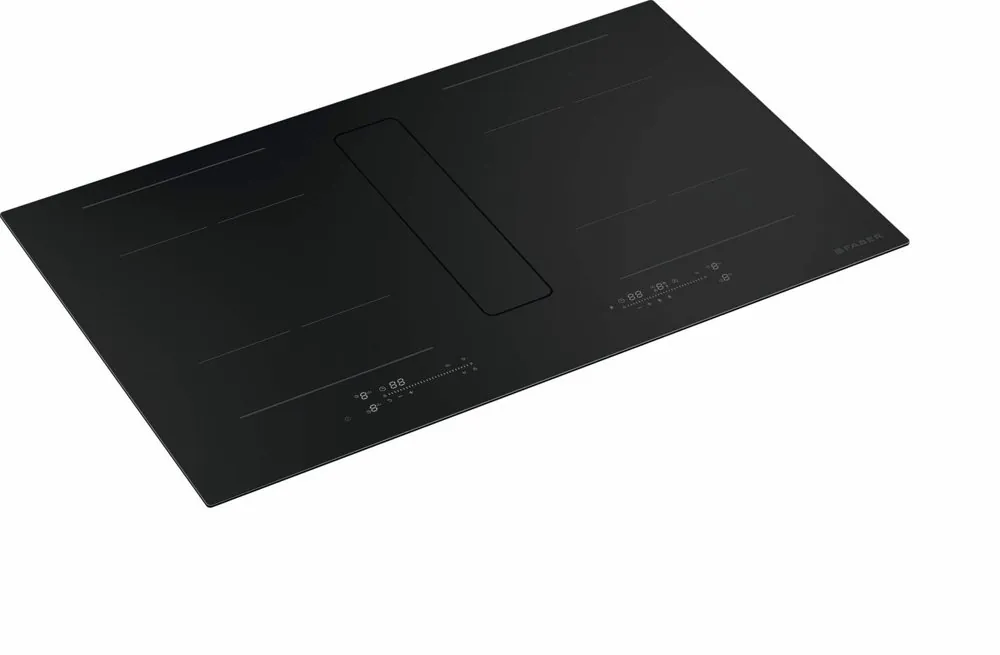
✔ Still worth insisting on
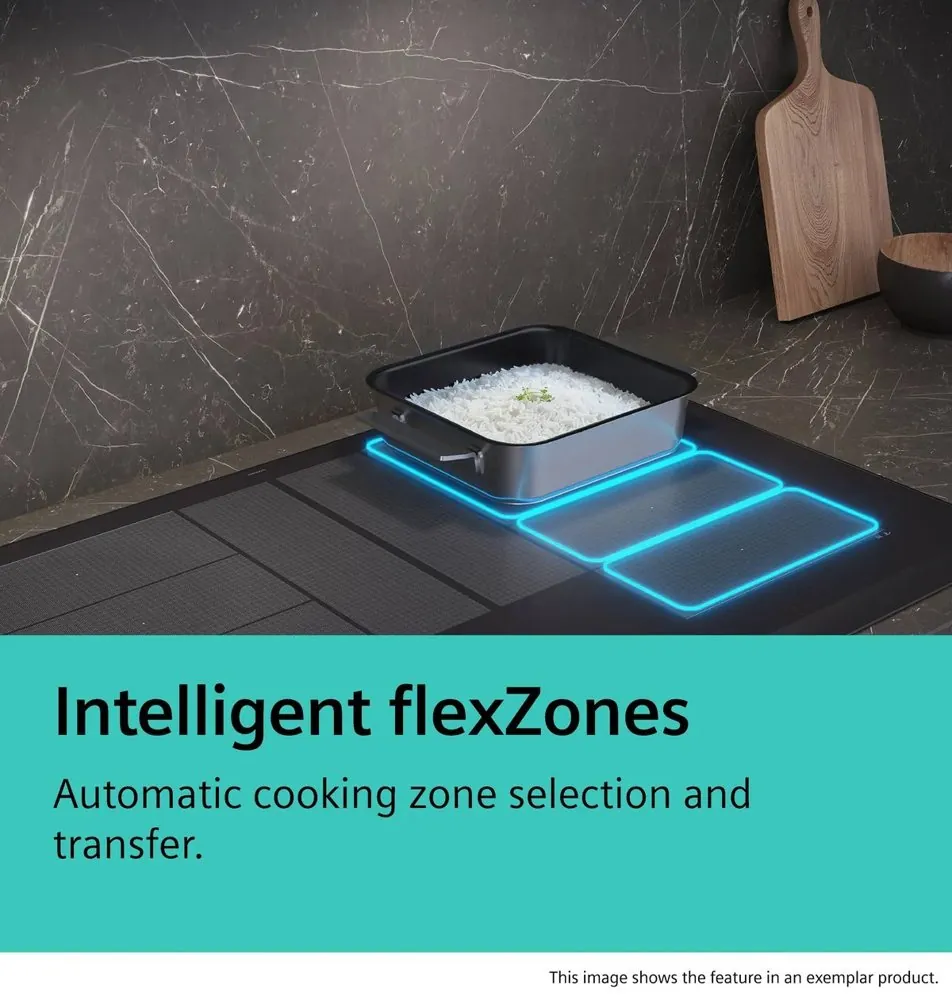
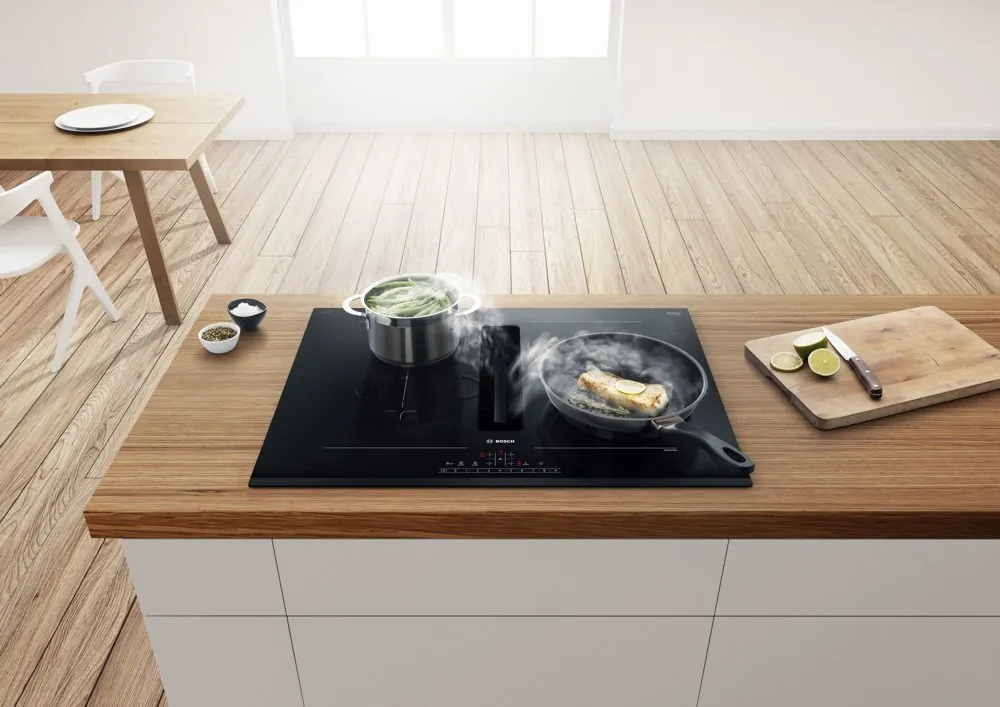
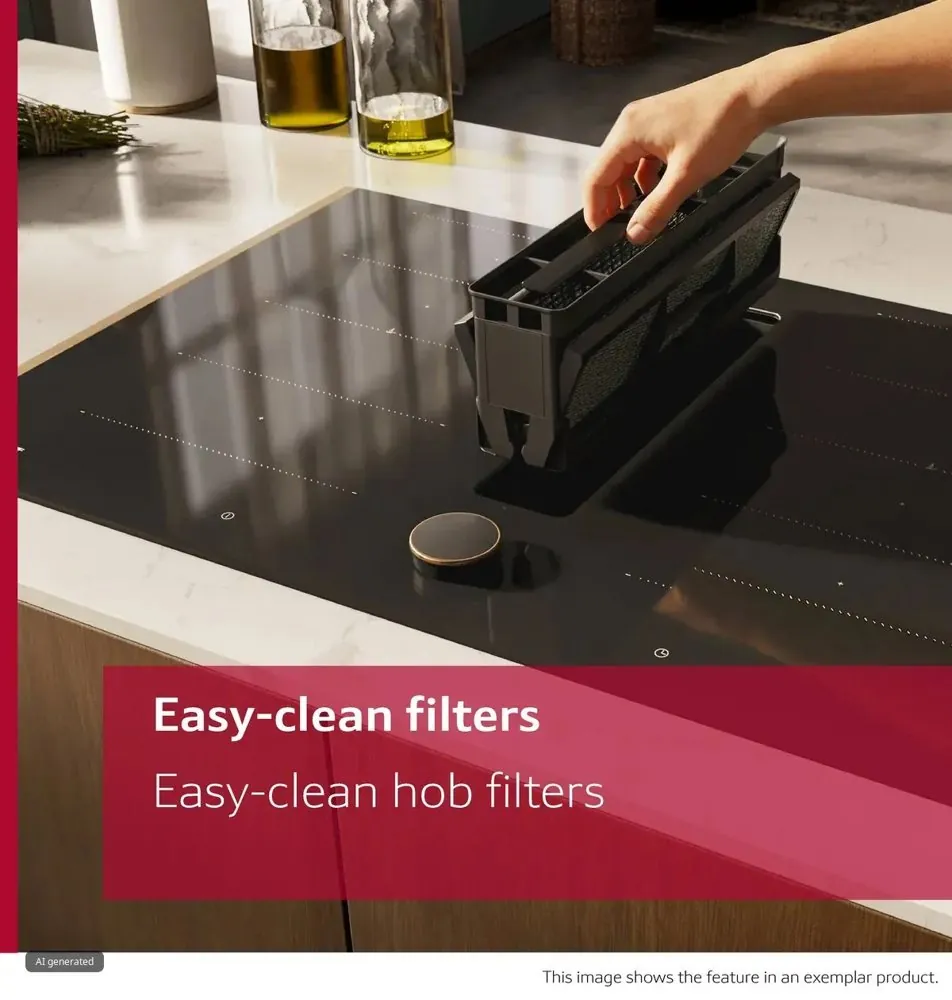
▶ See it in action

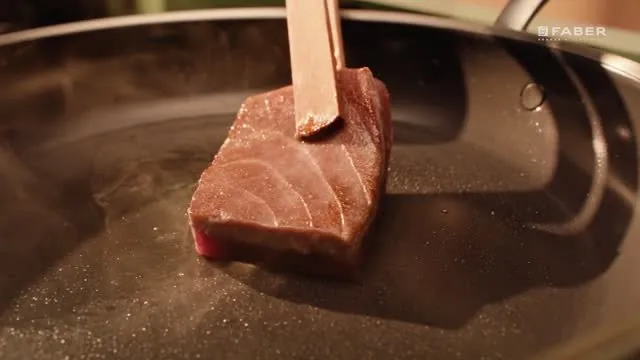
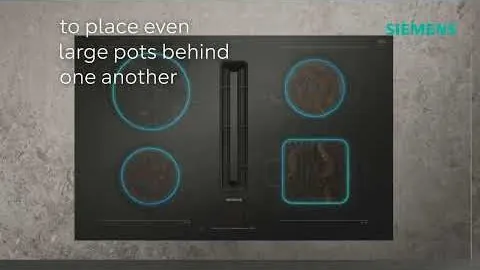
💷 Running costs and choices
Gas, ceramic or induction?
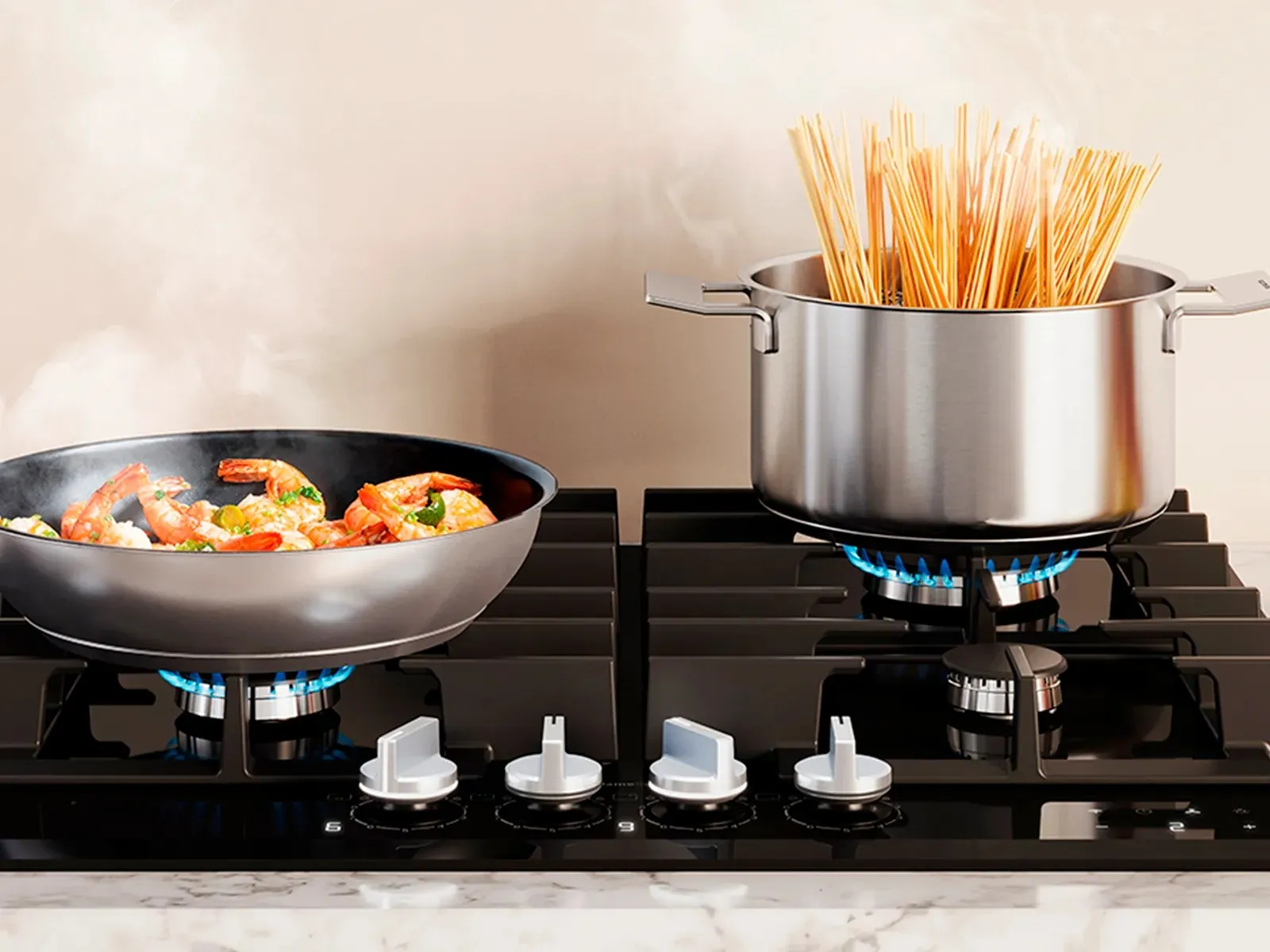
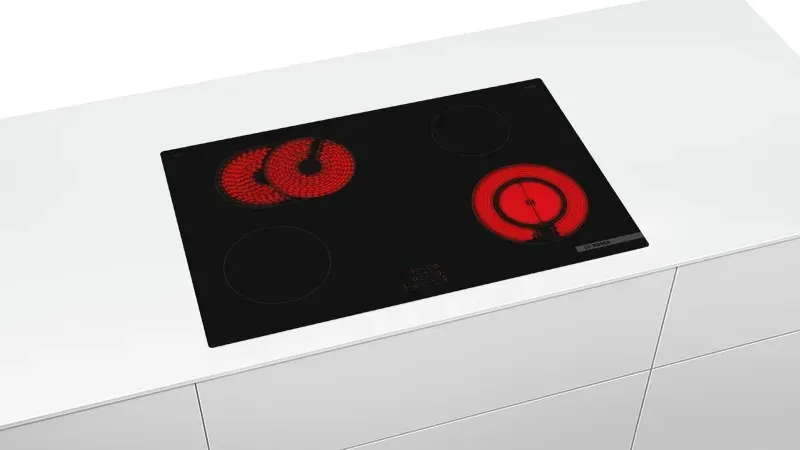
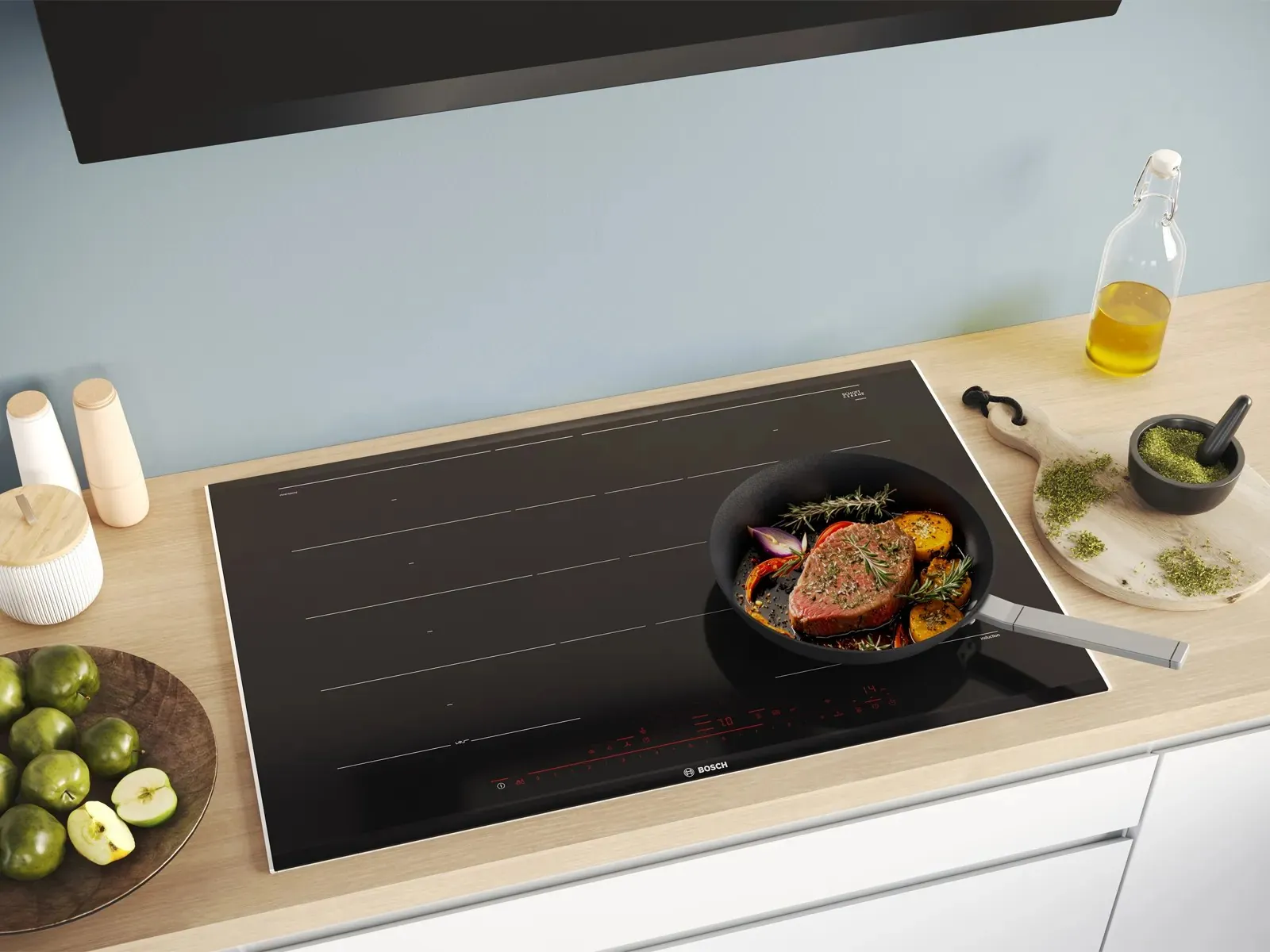
- Same stir-fry cooked on each hob (Defra test, reported by TrustedReviews), at today's gas and electricity prices
- Gas is cheapest per meal, but induction is twice as fast, safer and far easier to clean
- Induction uses the least energy of all three; ceramic costs the most to run
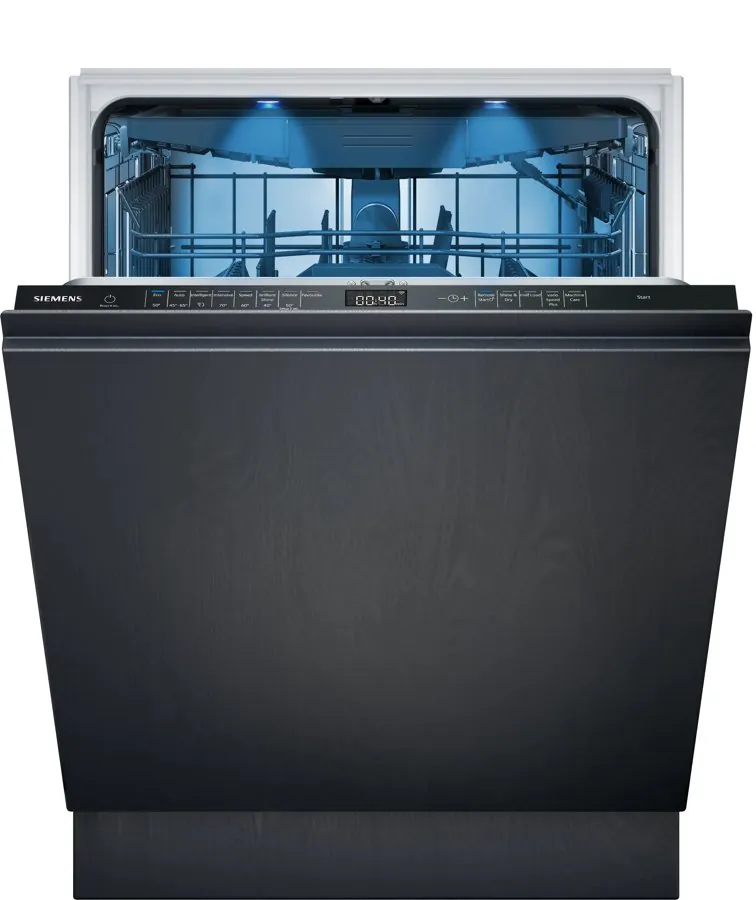
Dishwashers: what's new
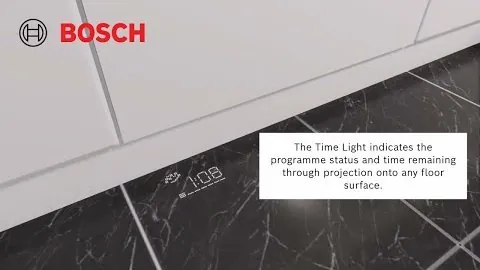
✨ What's new
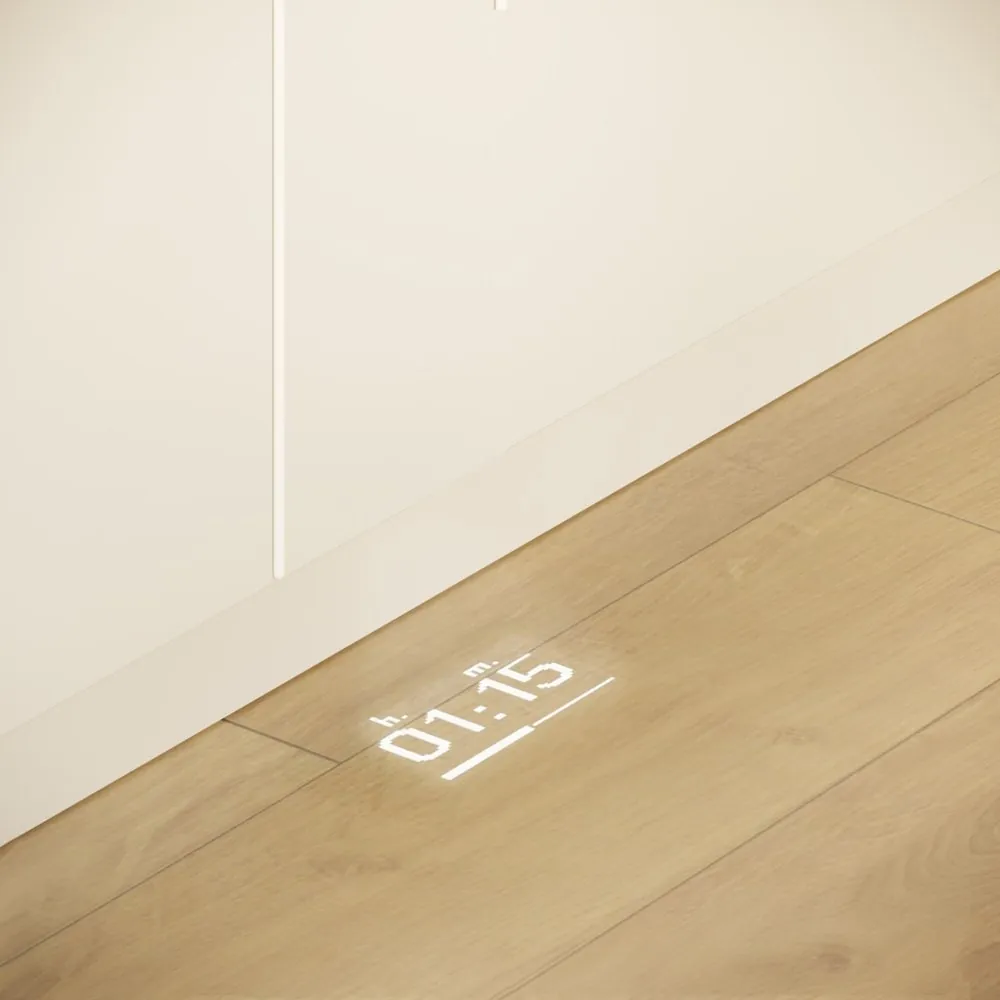
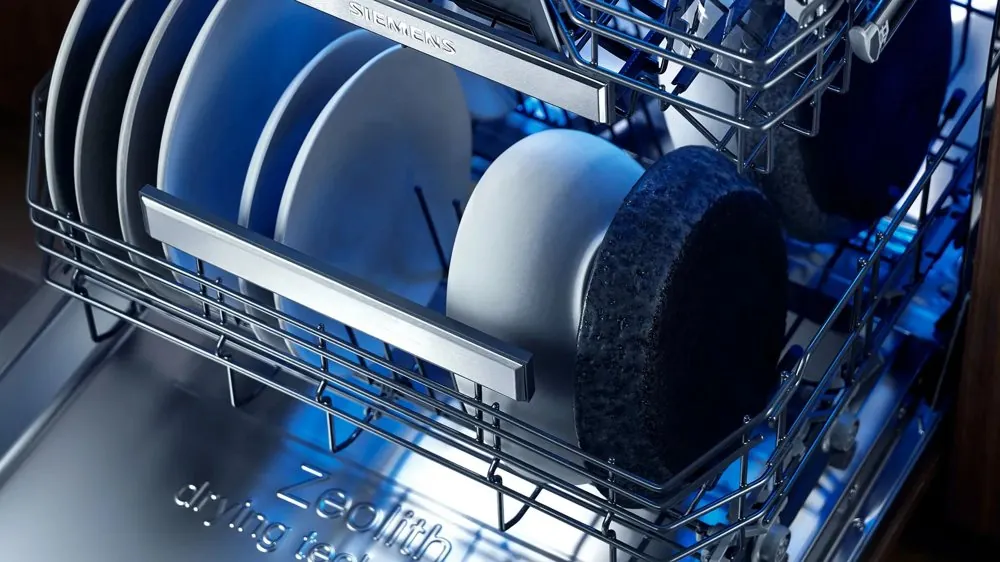
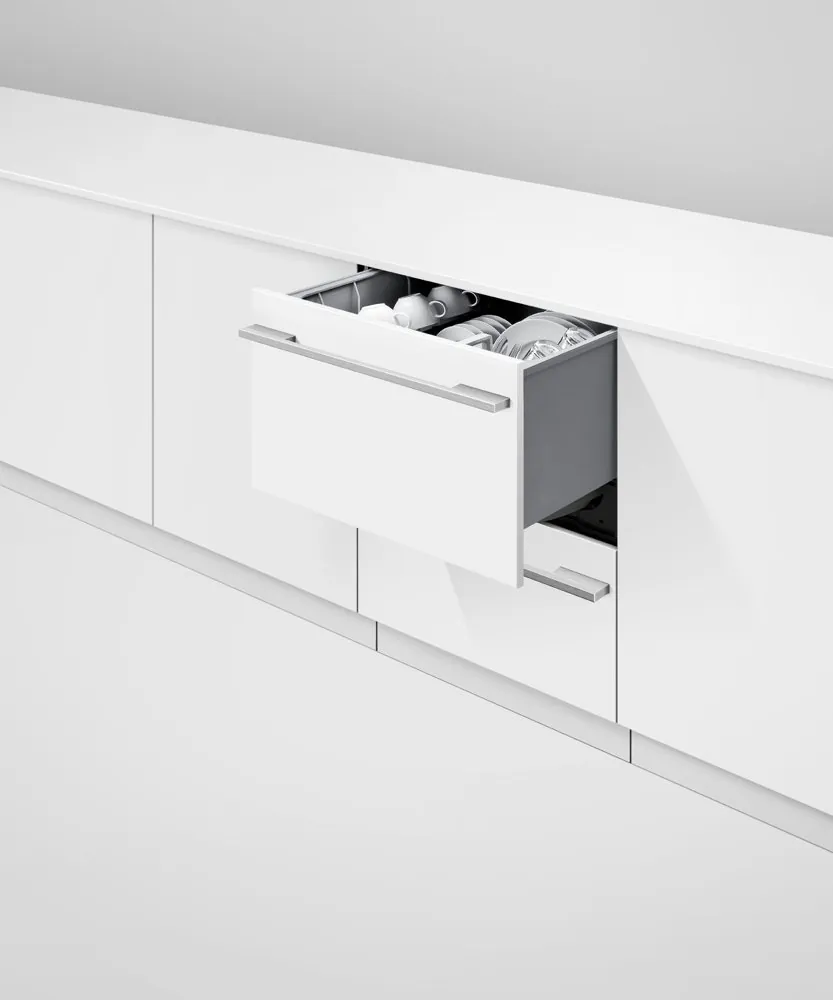
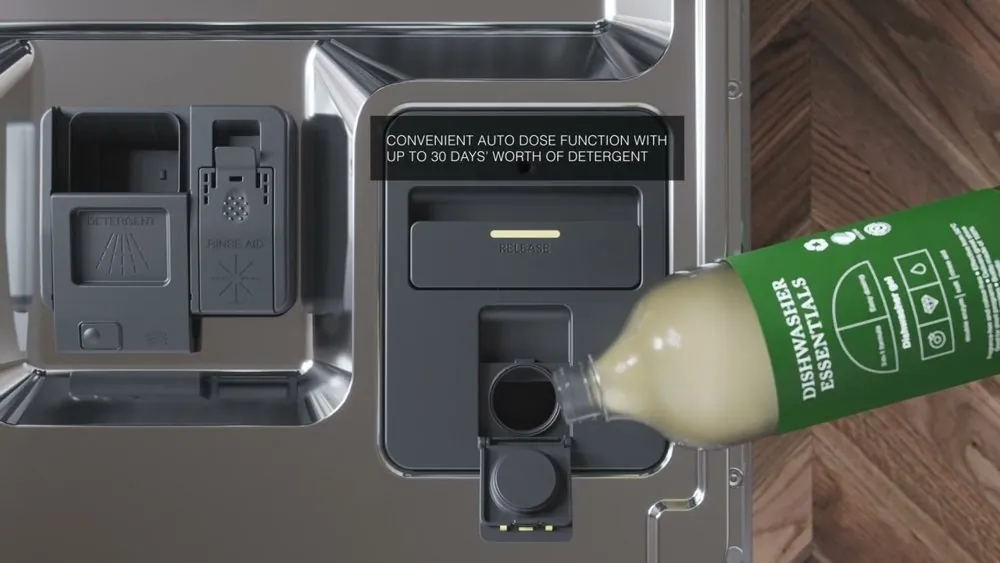
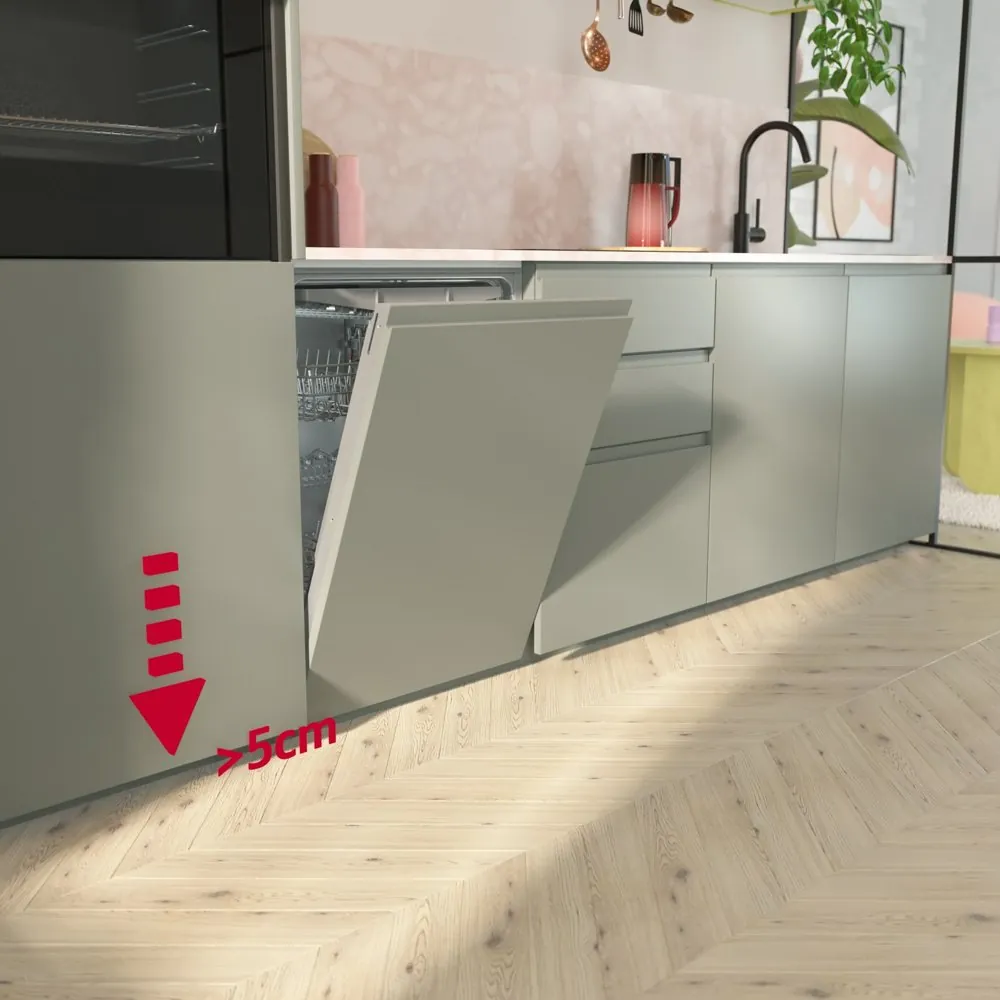
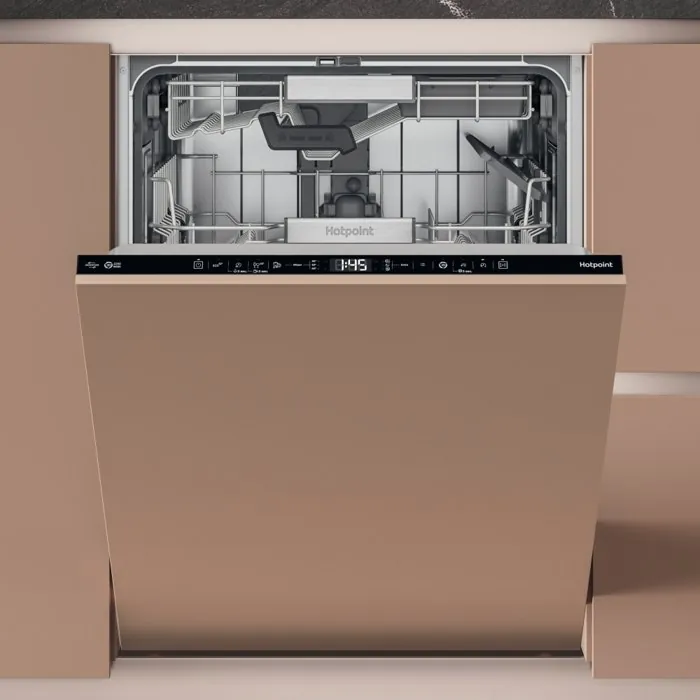
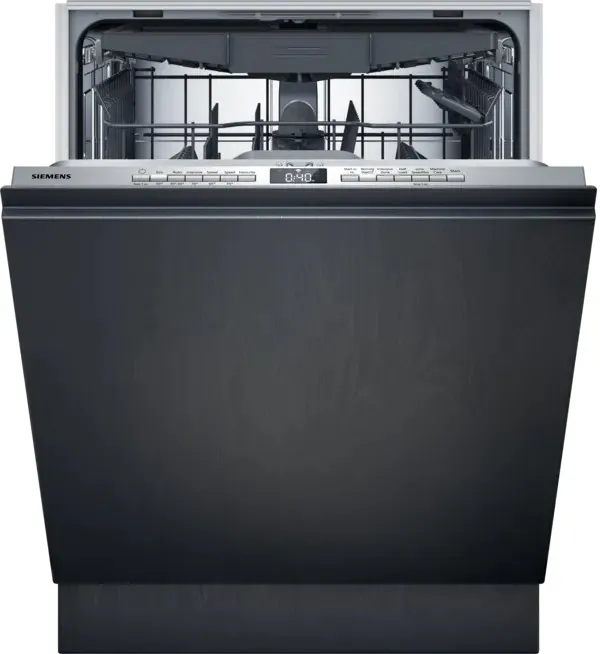
✔ Still worth insisting on
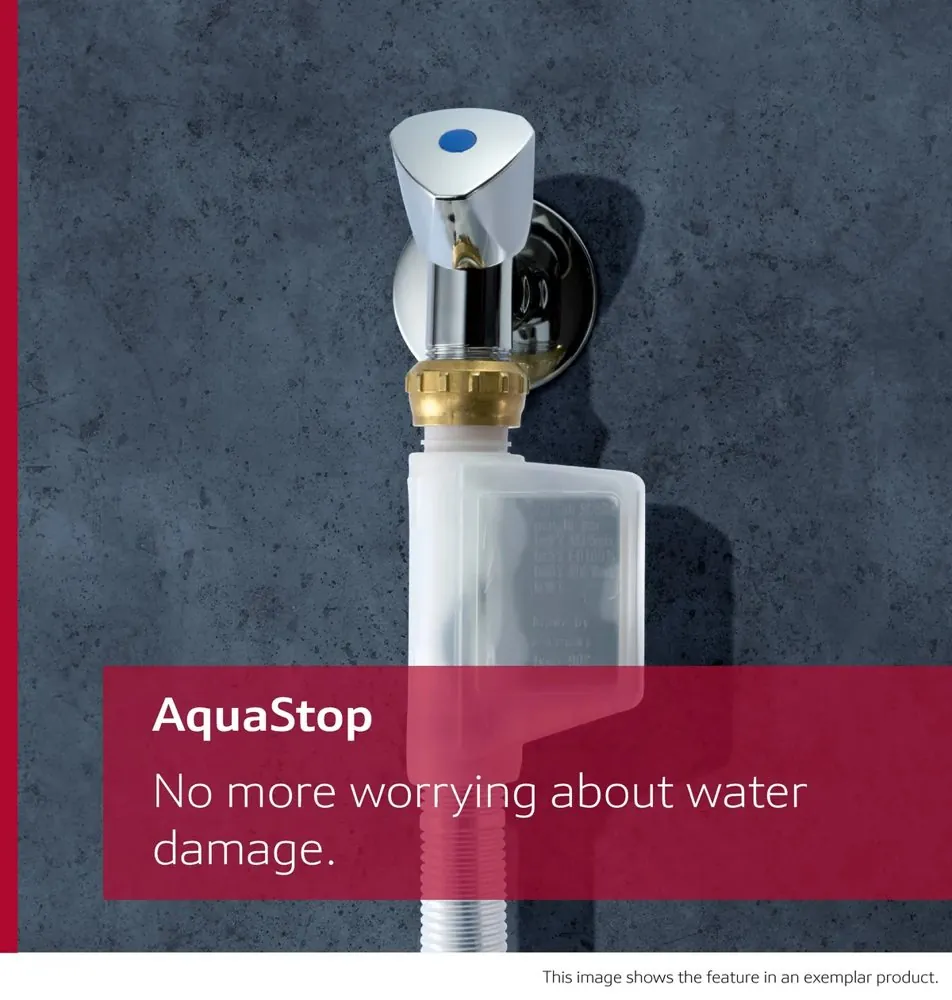
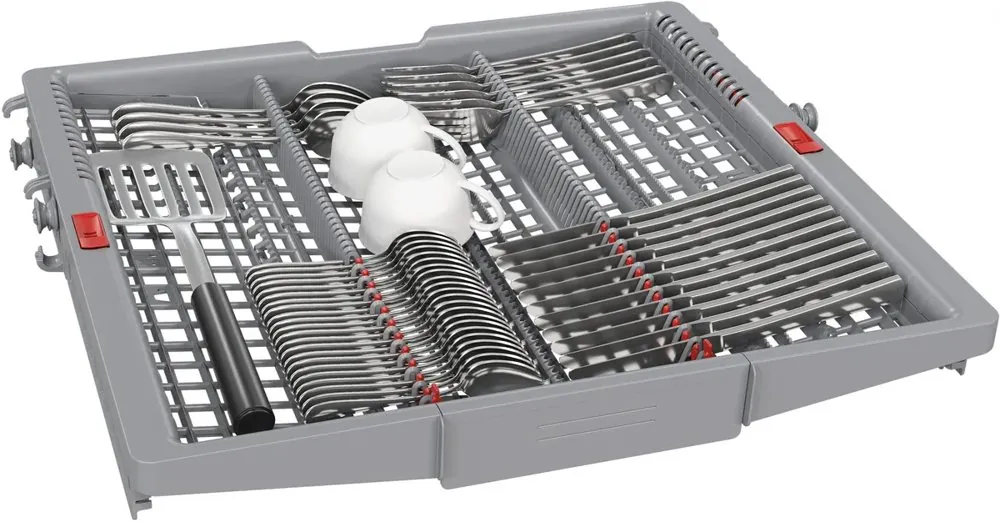
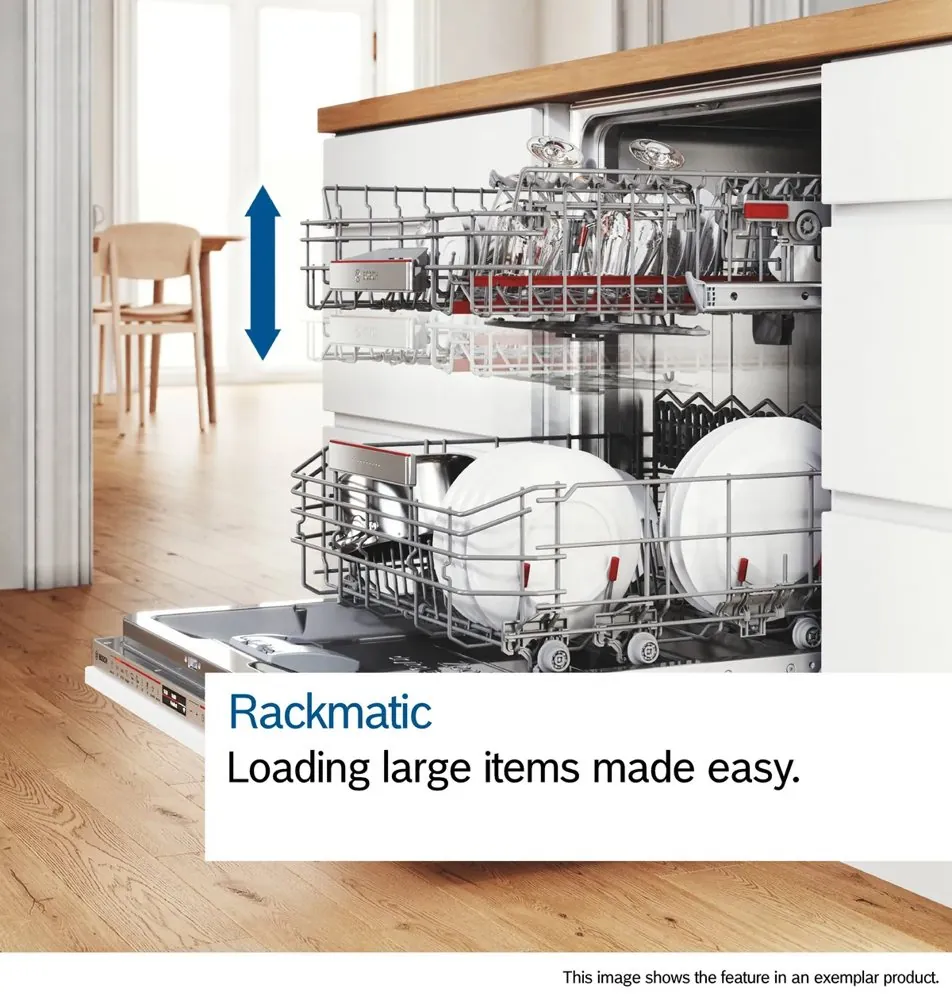
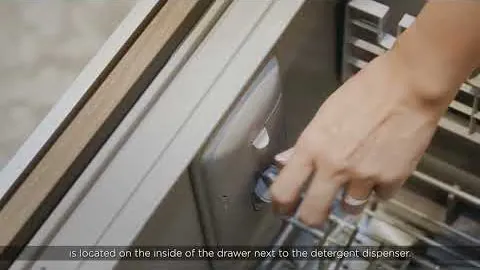
▶ See it in action

💷 Running costs and choices
- Based on 5 washes a week (260 a year) at 26.32p per kWh
- Which? tested dishwashers costing from just over £40 to around £100 a year on the main programme
- The energy label is measured on the eco programme, which uses about 30% less energy than the main one, so use eco when you can (Which?)
Washing machines and dryers: what's new
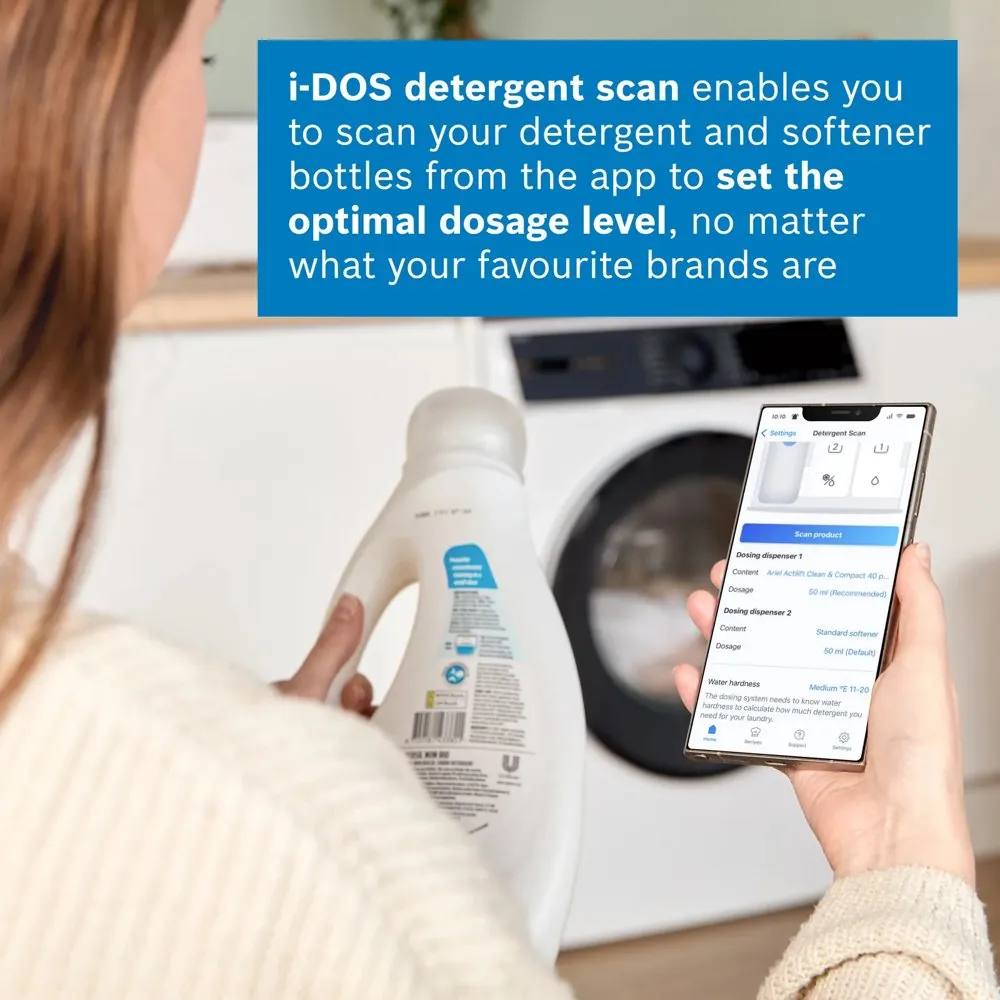
✨ What's new
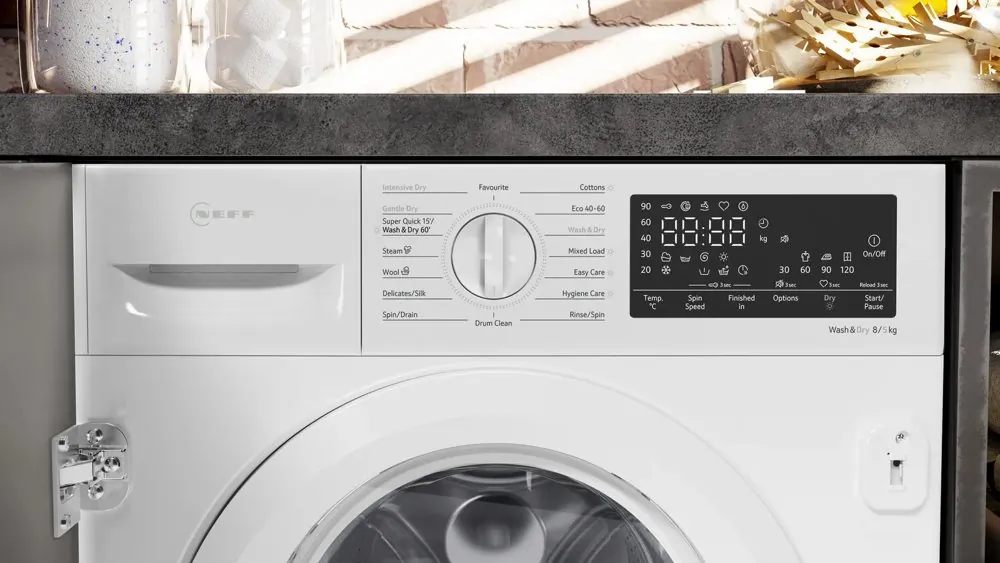
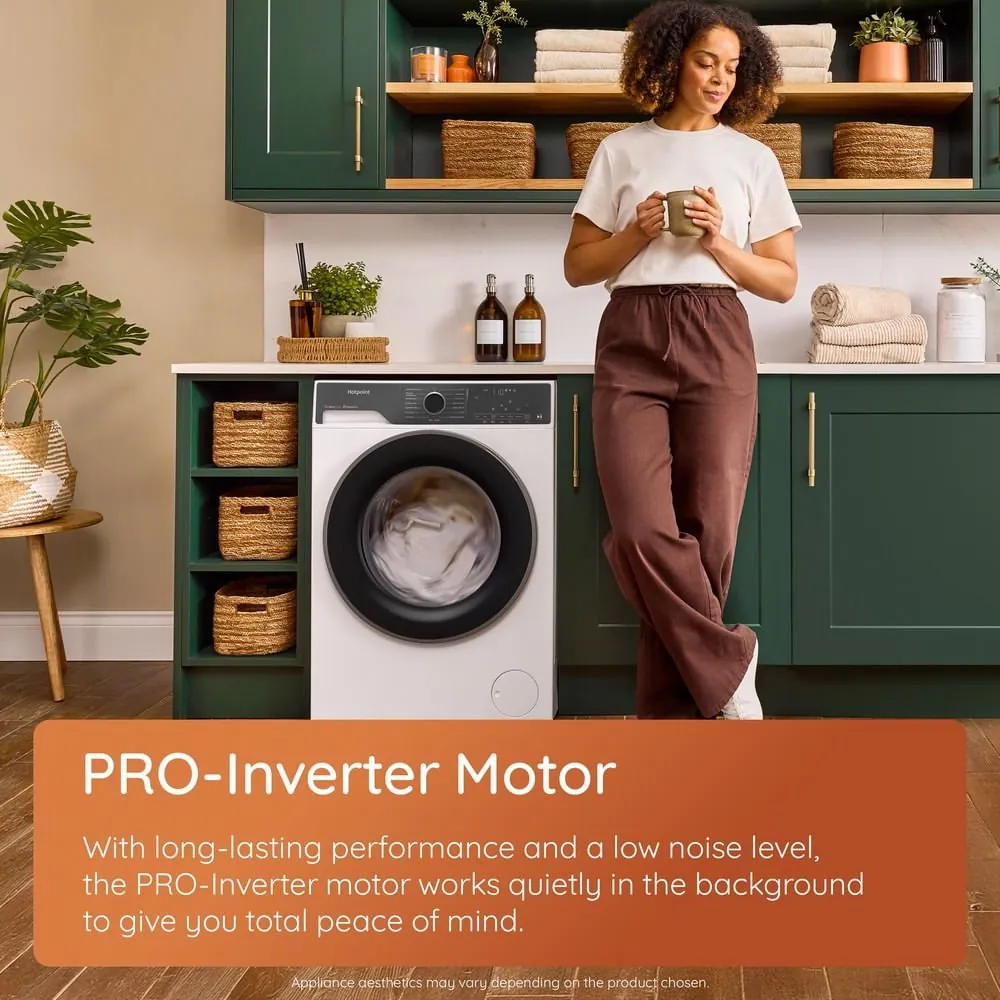

✔ Still worth insisting on
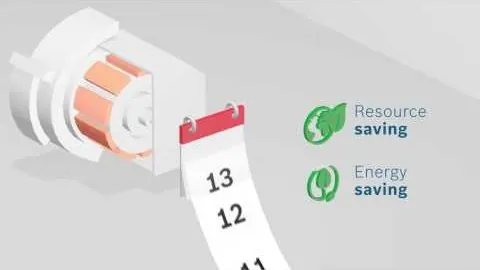
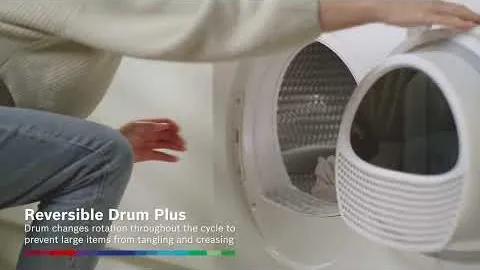
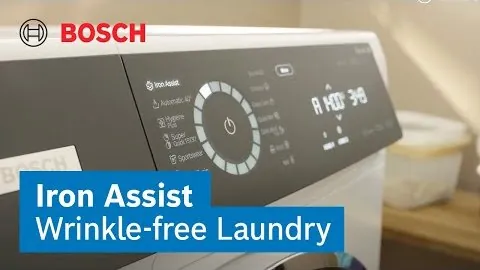
▶ See it in action
💷 Running costs and choices
Washing machines
- Based on 3 washes a week (156 a year) at 26.32p per kWh
- Washing machines use little electricity, so reliability and warranty matter more than the energy label
- Washing at 30°C or on eco saves more than the label difference
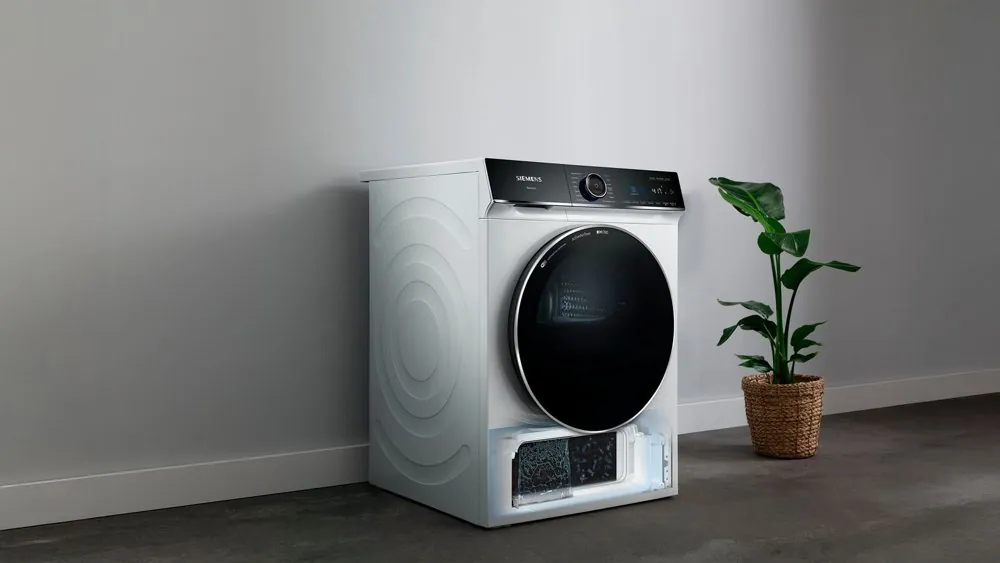
Tumble dryers
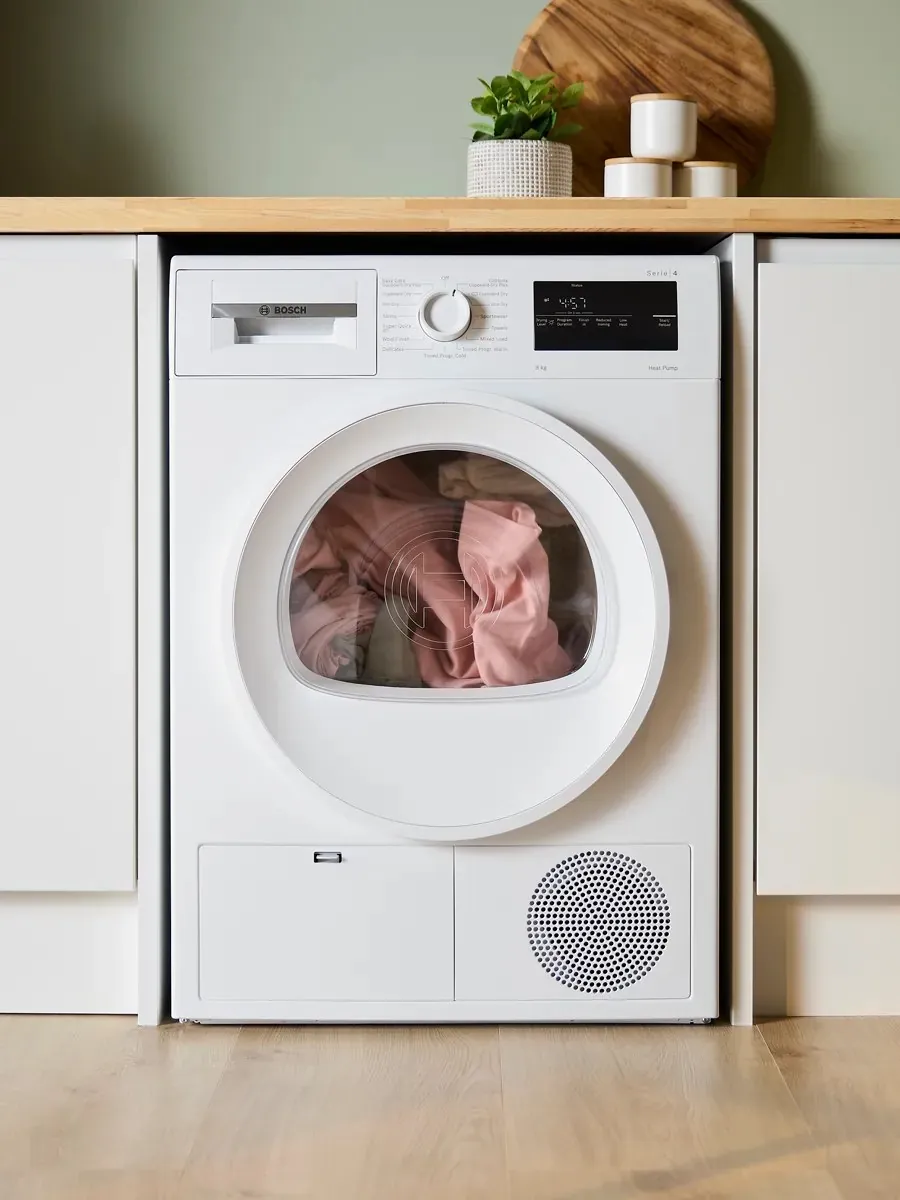
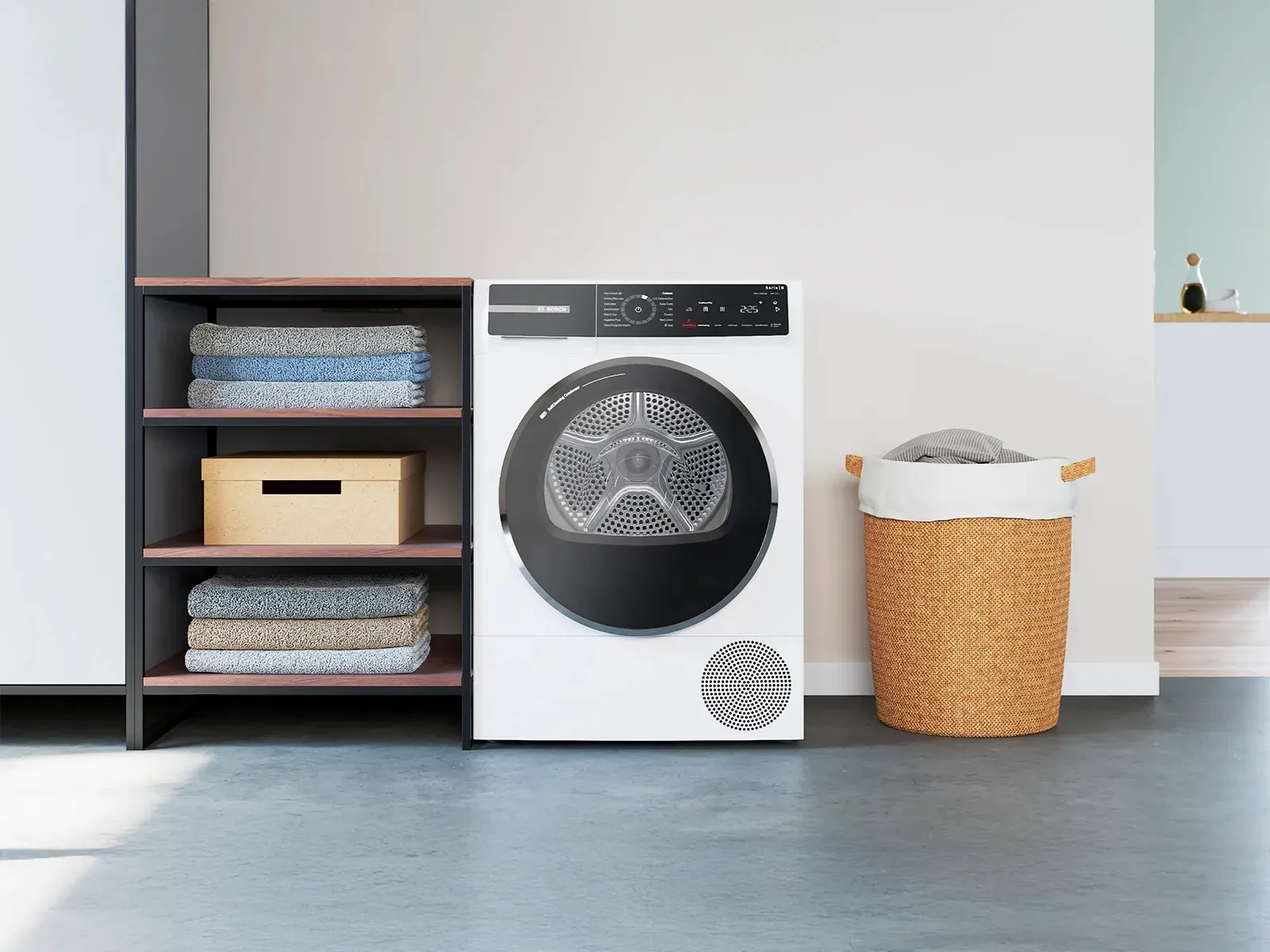
- Which? figures, October 2026, at 26.32p per kWh
- A vented dryer averages £139.74 a year; its 6-year total was £1,251, the dearest of all, even though it was cheapest to buy
- Tumble dryers still use the old A+++ to D energy scale
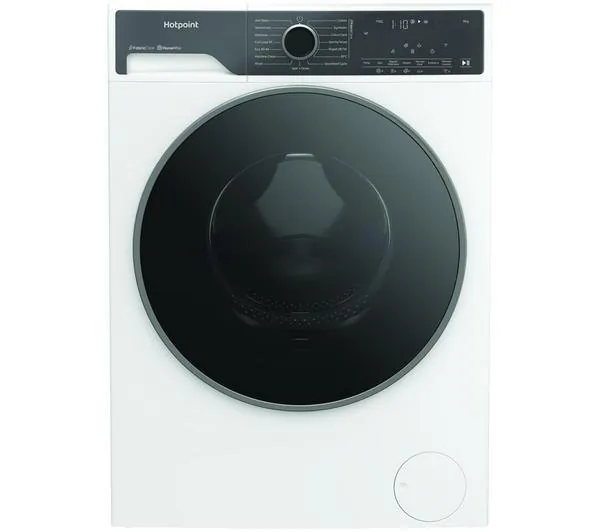
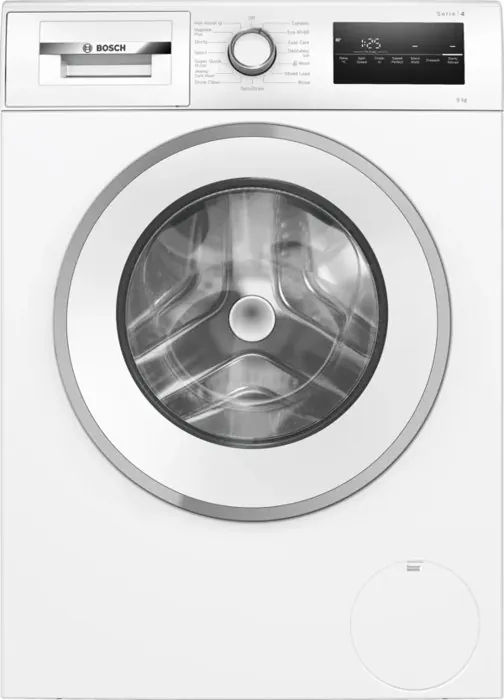
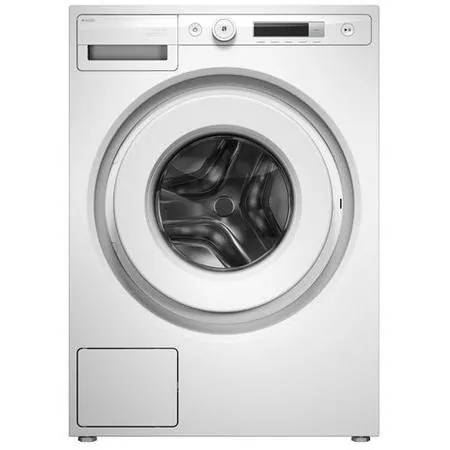
Washer-dryers
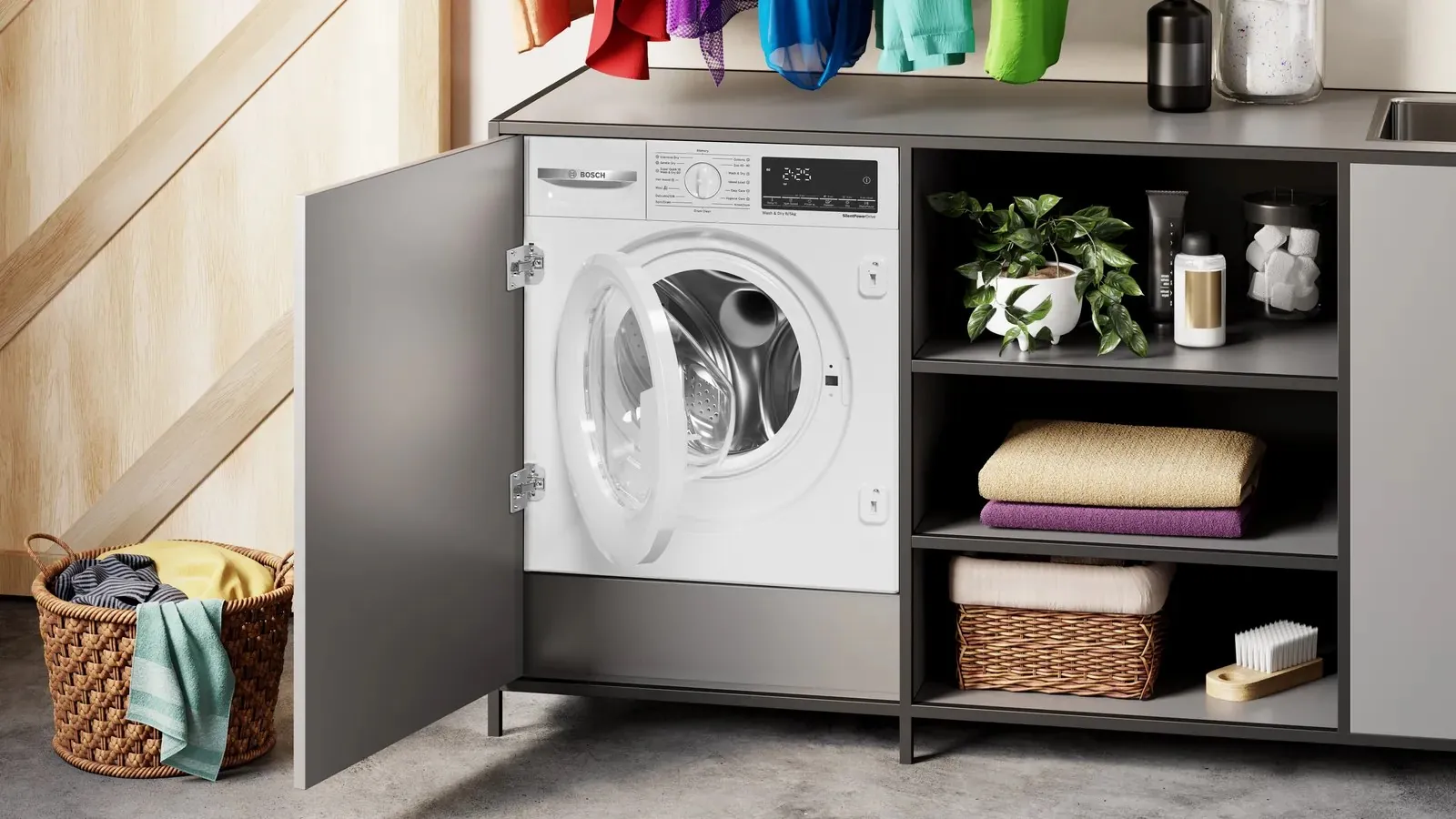
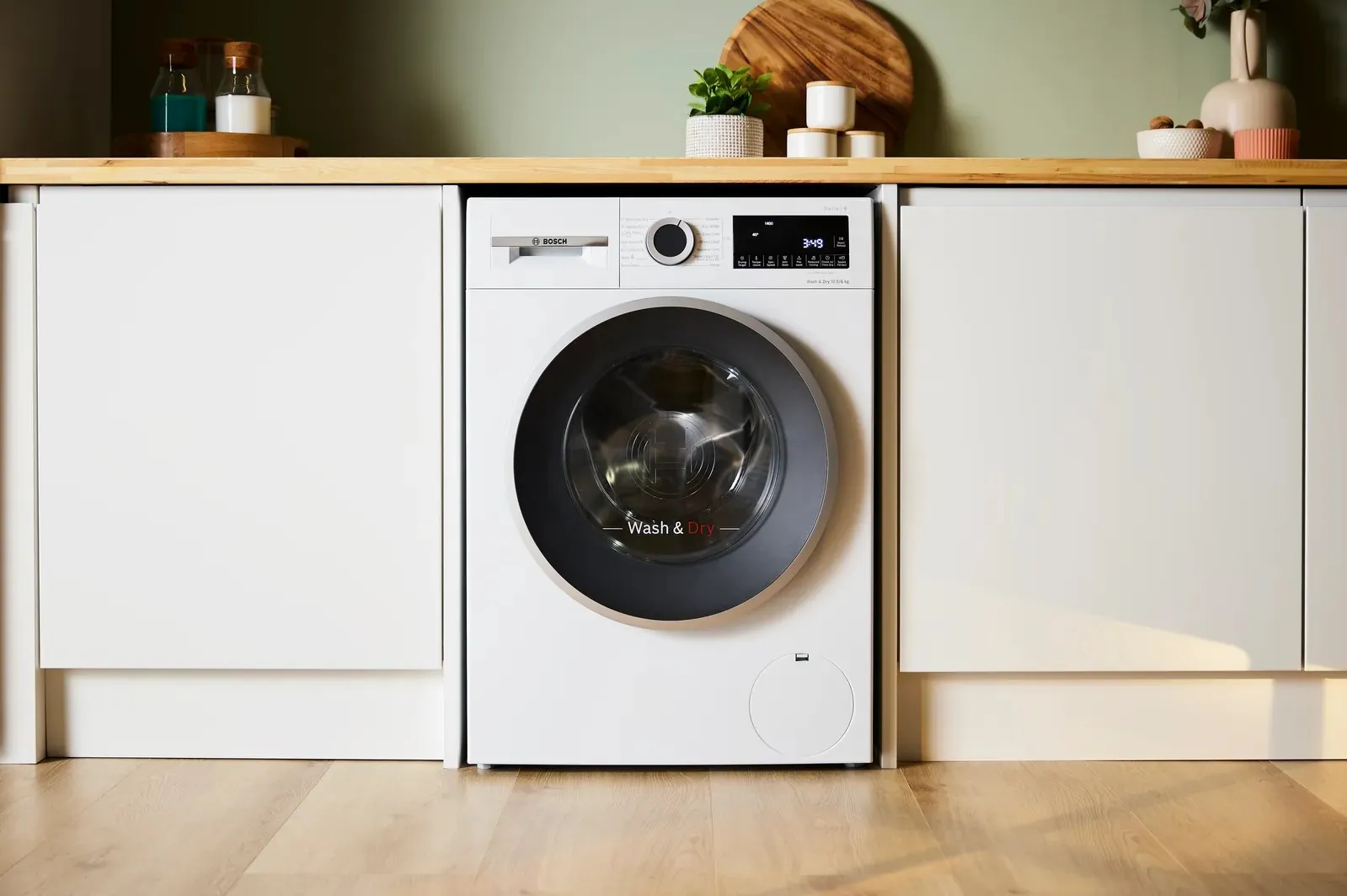
- Which? figures, October 2026, at 26.32p per kWh
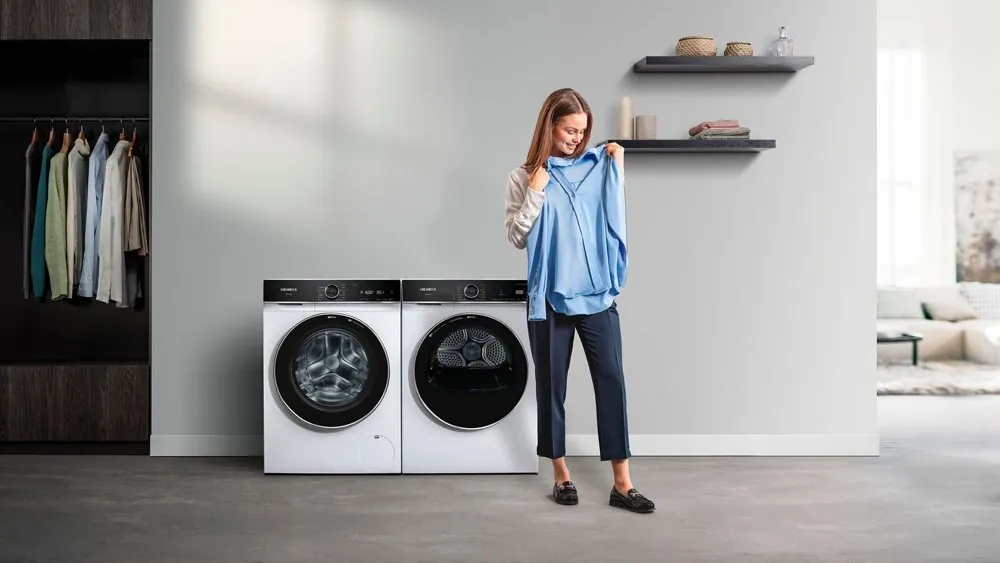
- If you have room for two machines, separates cost less to run and dry better
- A washer-dryer makes sense where space is tight
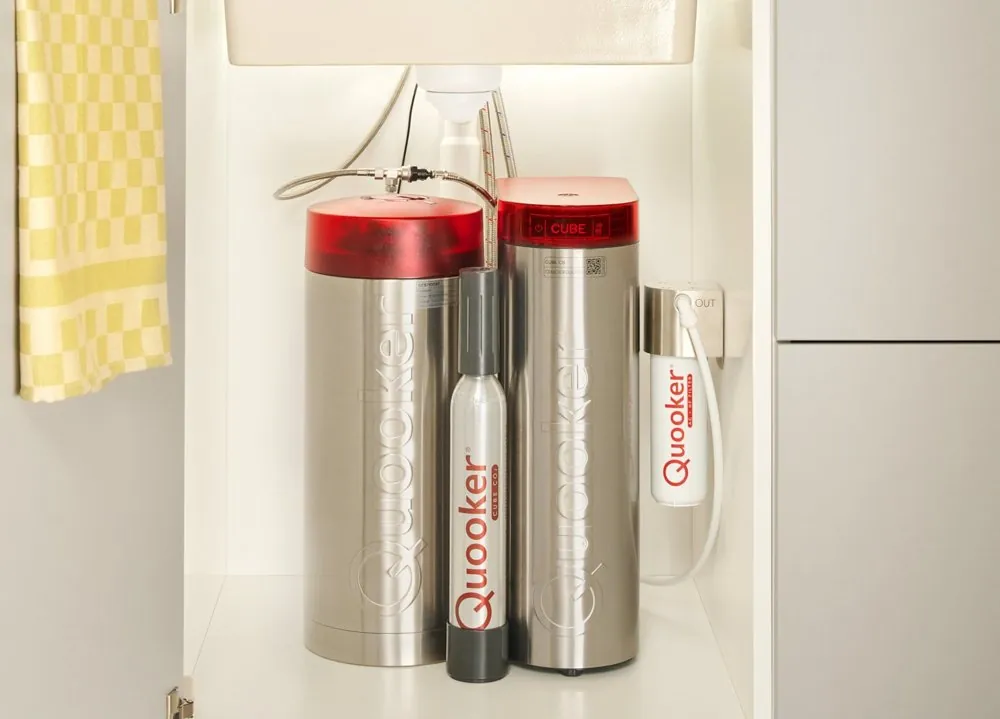
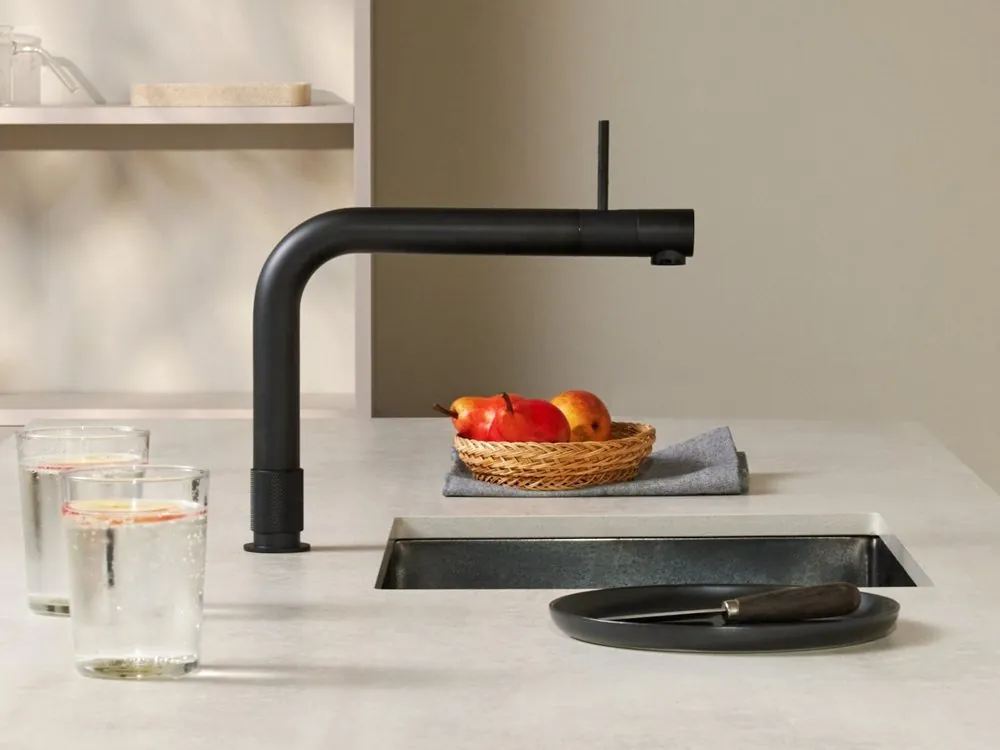
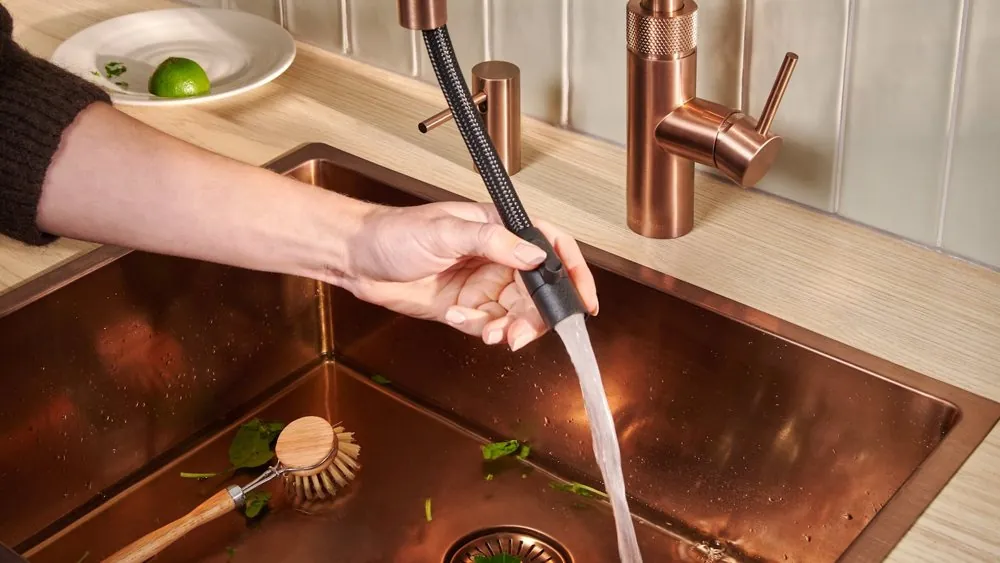
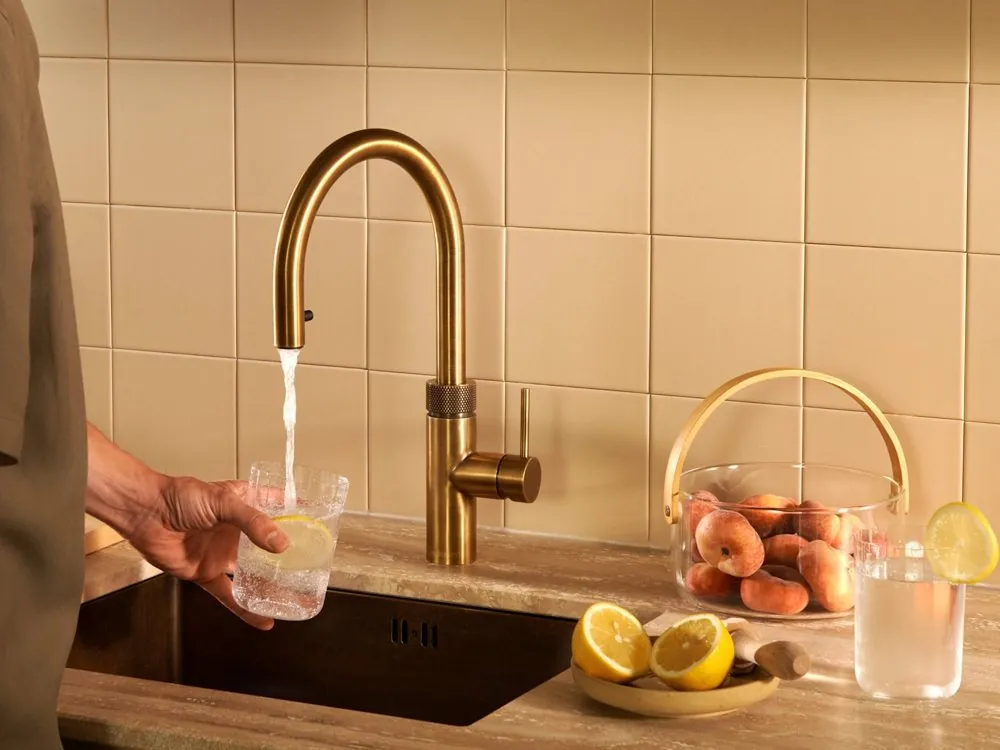
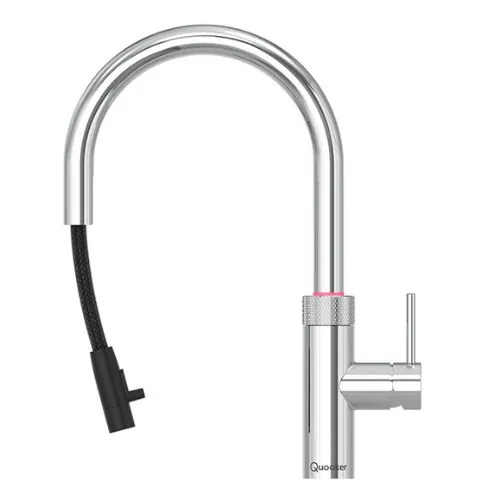
Boiling-water taps: why our customers love them
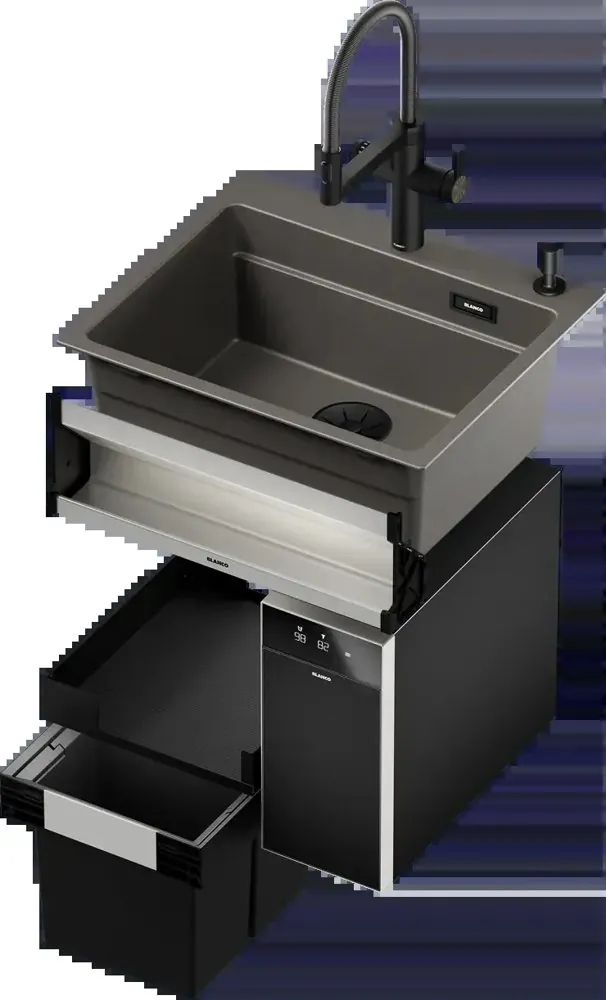
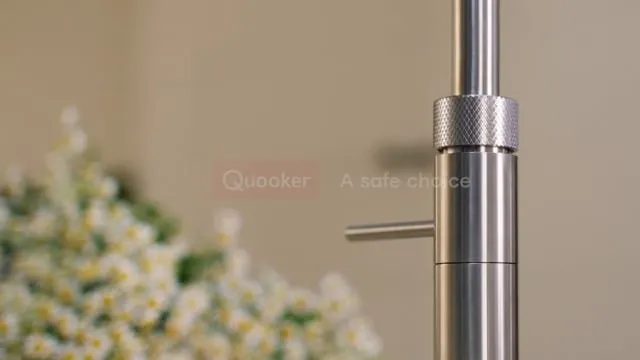
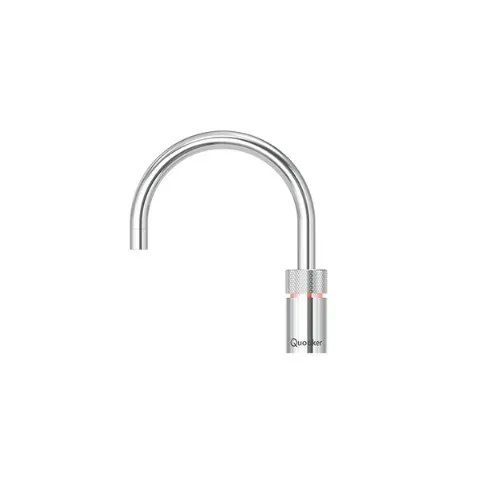
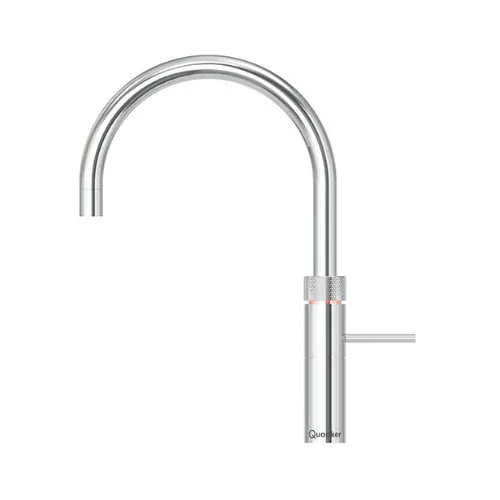
We only recommend Quooker for boiling-water taps.
✨ What's new

✔ Still worth insisting on


▶ See it in action


💷 Running costs and choices
- At 26.32p per kWh. Honest answer: running costs are about the same as a kettle, so you buy a Quooker for safety, speed and space, not to save money
- You only boil exactly what you need, so nothing is wasted by overfilling
- Add a CUBE and the same tap gives filtered chilled still and sparkling water
Integrated or freestanding?
This question covers every appliance in the kitchen: fridges, freezers, dishwashers, washing machines and dryers. Here are the honest pros and cons of both.
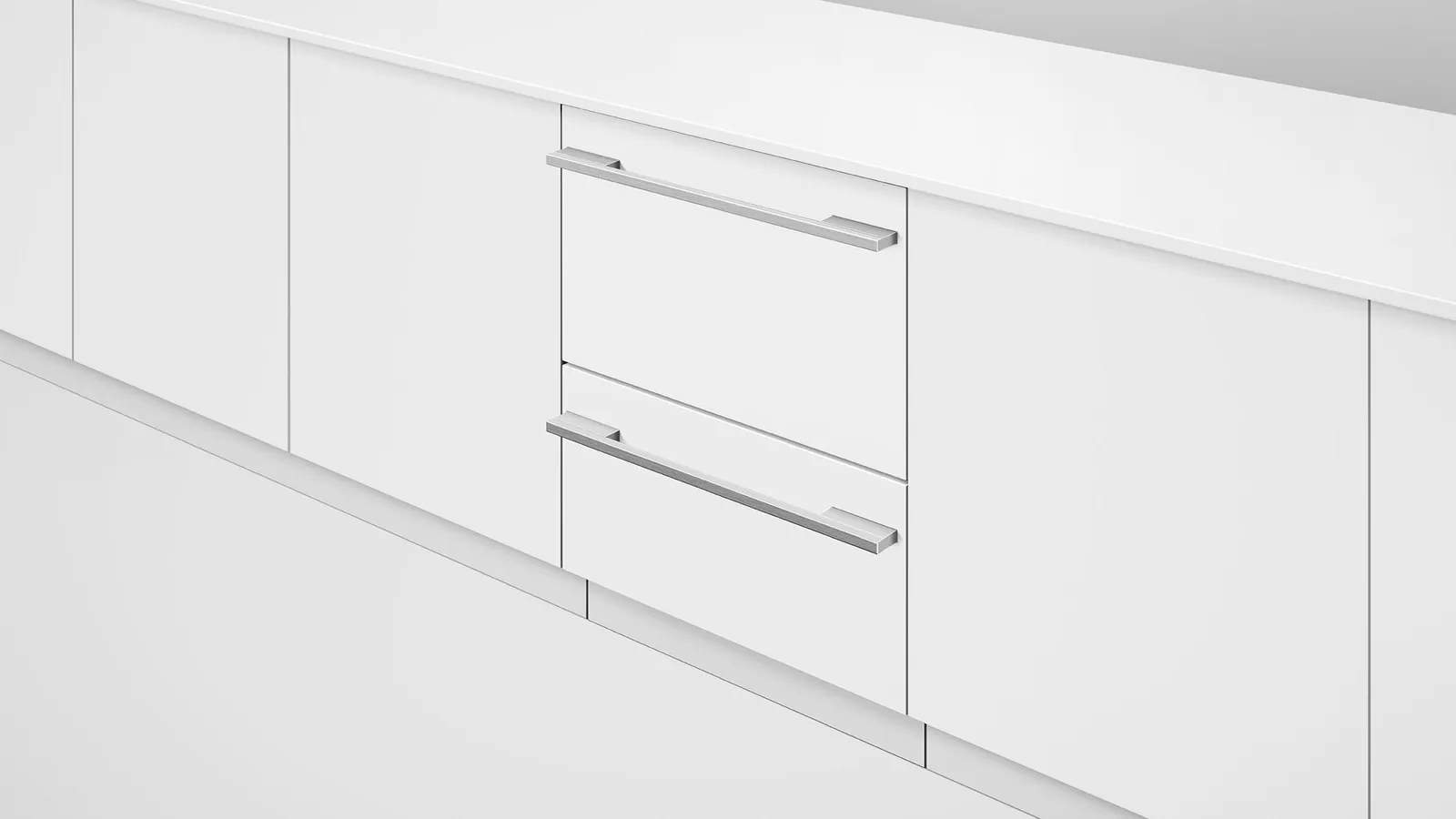
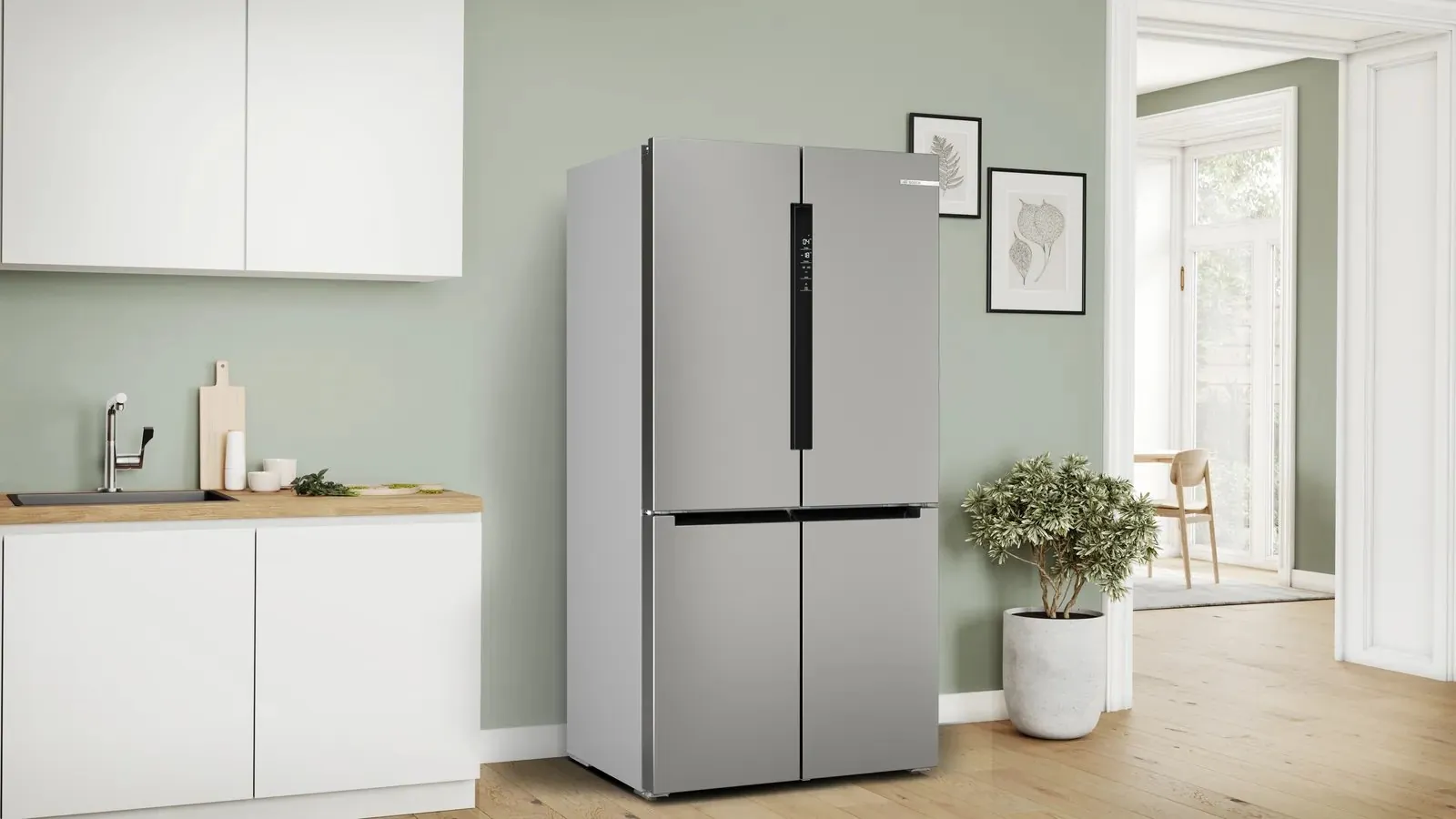
Which? found integrated and freestanding washing machines clean and rinse just as well as each other. The difference is the look, the noise and the price, not the wash.
Buy cheap, or buy better?
"Buy cheap, buy twice" is what everyone says. Here is what the real-world figures actually show.
- The brand matters more than the price tag: check reliability scores before you buy
- Cheap is not always a mistake, and expensive is not always better, but the most reliable brands do cost less over the life of the appliance
- For built-in appliances, buy well once: swapping an integrated machine costs more than swapping a freestanding one
Is a 5-year warranty worth paying for?
Or buy cheaper with a shorter warranty, and take the risk?
Sources: maker UK websites and official videos (Liebherr, NEFF, Siemens, Bosch, Hotpoint, Fisher & Paykel, ASKO, Faber, Falmec, Quooker, Blanco), prices seen 28 October 2026; Ofgem price cap 1 Oct to 31 Dec 2026; Which? (tumble dryers, washer-dryers, hobs and dishwashers, 2026; integrated washing machines; washing machine brands, Feb 2026; appliance reliability survey, Dec 2025; cheap washer-dryers, Jan 2026; extended warranties, June 2022); Grand Designs (May 2026); Hennies & Stamminger, University of Bonn (2016); ENERGY STAR (cooking efficiency); Defra test via TrustedReviews; UK Household Electricity Survey; Powering the Nation 2; Quooker UK; manufacturer UK product pages and energy labels (Bosch, Siemens, Liebherr, Fisher & Paykel, Hoover, Miele, Caple); Consumer NZ; Whitegoods Help. Electricity prices change, so the savings will too.
Pick a time to see the showroom
Choose a day and time that suits you. Steve will confirm. No pressure, no hard sell.